
Shandong ShangHe New Construction Engineering Co., Ltd. © Copyright
- Shandong ShangHe New Construction Engineering Co., ltd.
- +86-191 5718 1888
- wadehu@shanghesd.com
- one@shanghepanel.com
Products and services we can provide
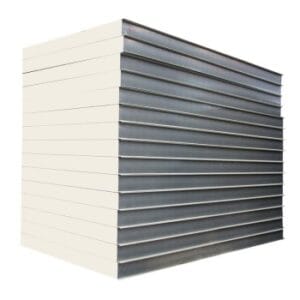
PU sandwich panels with polyurethane foam core offer top-notch insulation for cold rooms, clean rooms, and storage. They provide excellent thermal and sound insulation, with low conductivity—perfect for walls and industrial use in temp-controlled spaces.
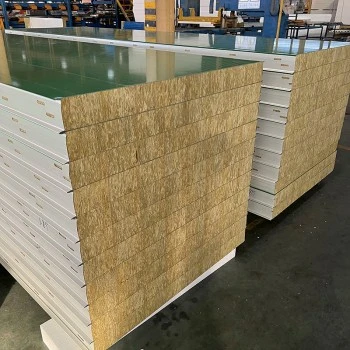
Need top-tier fireproof insulation? Our rock wool sandwich panels feature a stone wool core—perfect for walls, ceilings & buildings. Energy-efficient, noise-blocking, and fire-resistant, they’re the smart choice for durable, sustainable insulation
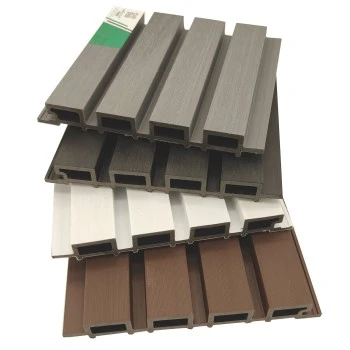
Looking for durable, stylish walls? WPC wall panels (wood-plastic composite) give you the beauty of real wood without the hassle! Waterproof, termite-proof, and easy to install—perfect for homes & offices. Upgrade your space with WPC panels today! #EcoFriendly #ModernDesign
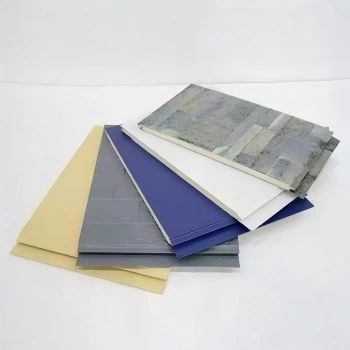
We offer high-quality metal sandwich panels and insulated wall panels for superior thermal insulation. Our wide variety includes roof panels and wall systems with a wide range of core materials to meet diverse construction needs
“Optimized sandwich panels deliver 20–30 years of environmental durability.”
— Building Envelope Engineering, Elsevier 2023


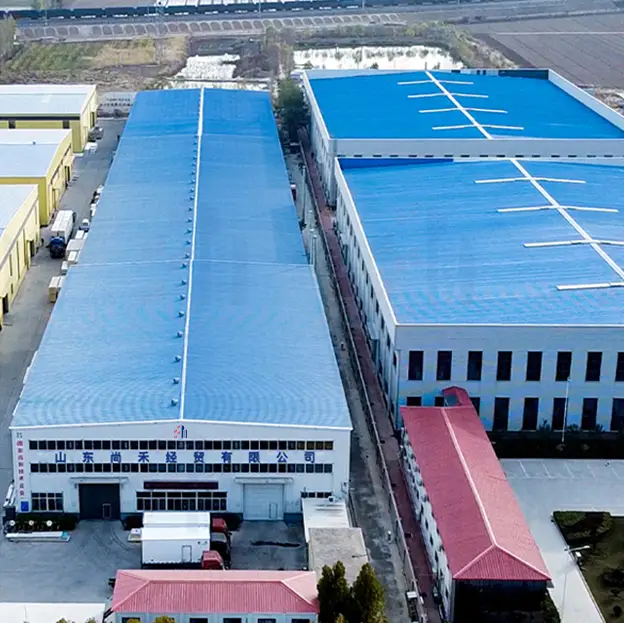

Traditional walls mean slow installation and energy loss. Shang He solves this with engineered sandwich panels that combine strength, insulation, and fire safety.
Our cored systems use mineral-wool and honeycomb cores to achieve thermal conductivity ≤ 0.108 W/m·K and fire-rated compliance for industrial buildings, cleanrooms, and cold storage.
Certified under ISO 9001, ASTM E84, and EN 13501, Shang He panels deliver 25–35 years of durability and up to 70 % faster installation.
“Optimized metal sandwich panels offer 20–30 years of environmental resilience.” — Building Envelope Engineering (Elsevier 2023)
Simplify construction. Elevate performance. Build smarter with Shang He.
✅ All panels tested per ASTM E84 / BS 476 / ISO 9001 standards.
✅ FM Approved and LEED compliant options available.
| Model | Core Material | Application | Price (FOB) | MOQ |
|---|---|---|---|---|
| SP-50 PU | PU | Warehouses / Workshops | $7–9 /㎡ | 200㎡ |
| SP-75 PIR | PIR | Showrooms / Industrial Walls | $9–11 /㎡ | 200㎡ |
| SP-100 RW | Rock Wool | Fireproof Projects | $8–10 /㎡ | 150㎡ |
| SP-150 PU | PU | Cold Rooms / Refrigeration | Custom | 120㎡ |
“Metal sandwich envelope systems can sustain 20–30+ years in harsh climates.”
— Building Envelope Engineering, Elsevier
| Feature | Sandwich Panels | Brick / Concrete |
|---|---|---|
| Install Speed | ⭐⭐⭐⭐⭐ (70% faster) | ⭐⭐ |
| Waterproofing | ✅ Excellent | ⚠️ Medium |
| Energy Efficiency | High | Low |
| Weight | Light | Heavy |
| Lifecycle Cost | Low | Medium |
| Aesthetics | Modern | Outdated |
“Old walls slow you down — new panels move you forward.
With Sandwich Panels, builders gain speed, energy savings, and lasting protection that brick and concrete can’t match
“Prefabricated panel façades shorten onsite time by ≈ 70 %.”
— Prefabricated Construction 2025, RIBA Publishing
Quick, accurate, and transparent.
Calculate your project cost instantly with our Sandwich Panel Price Calculator — powered by real factory data
Shang He Panel ships worldwide with professional export documentation.
CE Certificate ISO 9001 Packing List HS Code 73089000 / 94069000
✅ All panels tested per ASTM E84 / BS 476 / ISO 9001 standards.
✅ FM Approved and LEED compliant options available.
ISO 9001 Certified Factory
CE FM TÜV Compliance Eco-friendly
Eco-friendly, CFC-Free Foam Systems

Engineered by Professional Panel Designers
Get Factory Price & Free Design Support
✔ 24-Hour Quotation ✔ Global Delivery ✔ Technical Consultation
💬 WhatsApp Us NowFind quick answers about applications, lifespan, fire safety, and customization.

One stop service for energy saving insulation system
Shandong ShangHe New Construction Engineering Co., Ltd. © Copyright