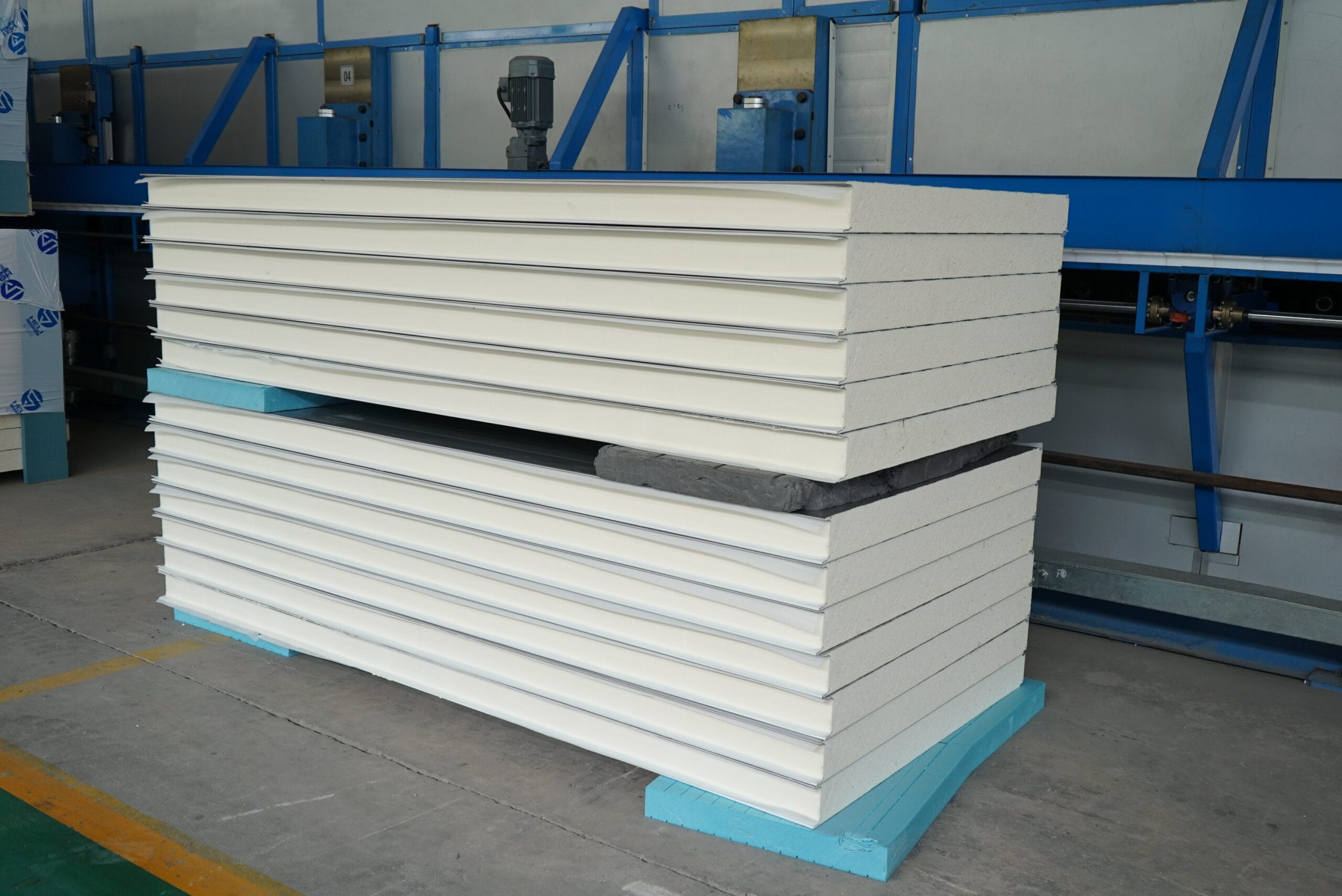
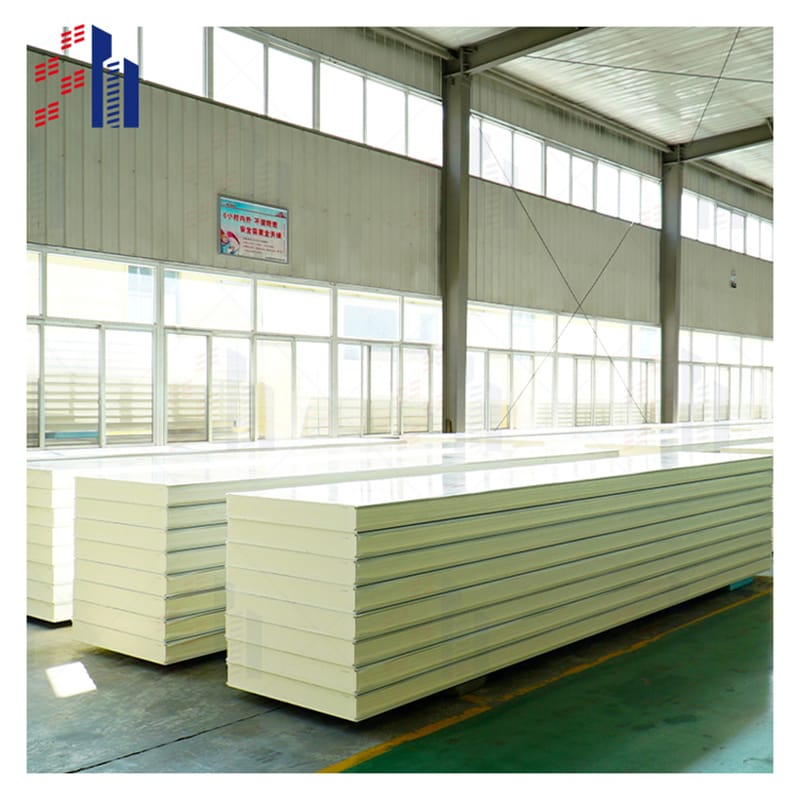
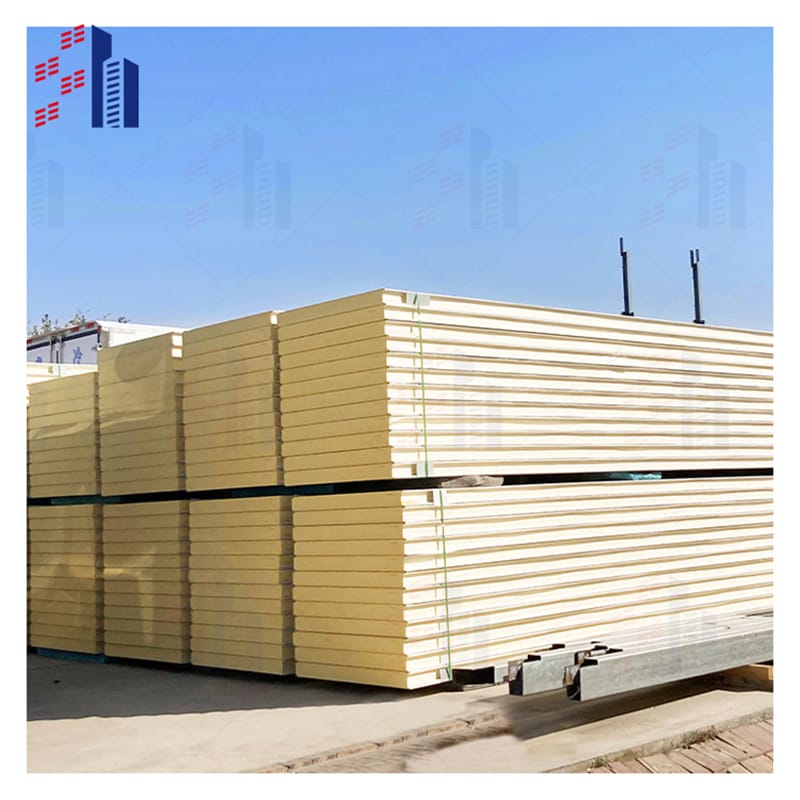
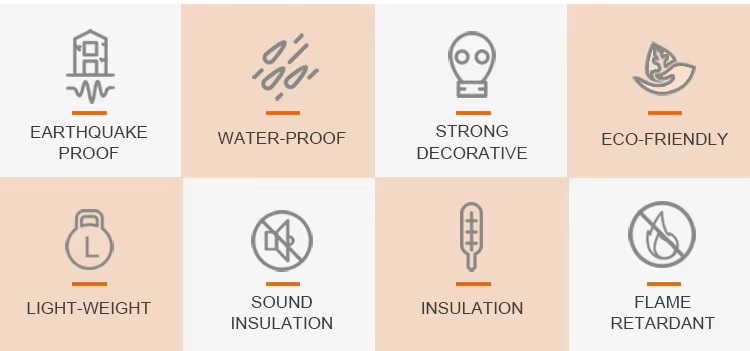
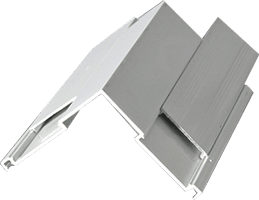
Plywood foam sandwich panels are advancedcomposite panelsdesigned with afoam corebonded between two durable plywood skins. This construction creates a lightweight yet strong panel that offers an excellentstrength-to-weight ratio. The foam core acts as the insulation and structural support, while the plywood facings provide surface durability and rigidity. These panels stand out as a smart alternative to traditional plywood and other composite products likestructural insulated panels (SIPs)or fiber-reinforced boards.
Customers visit the factory
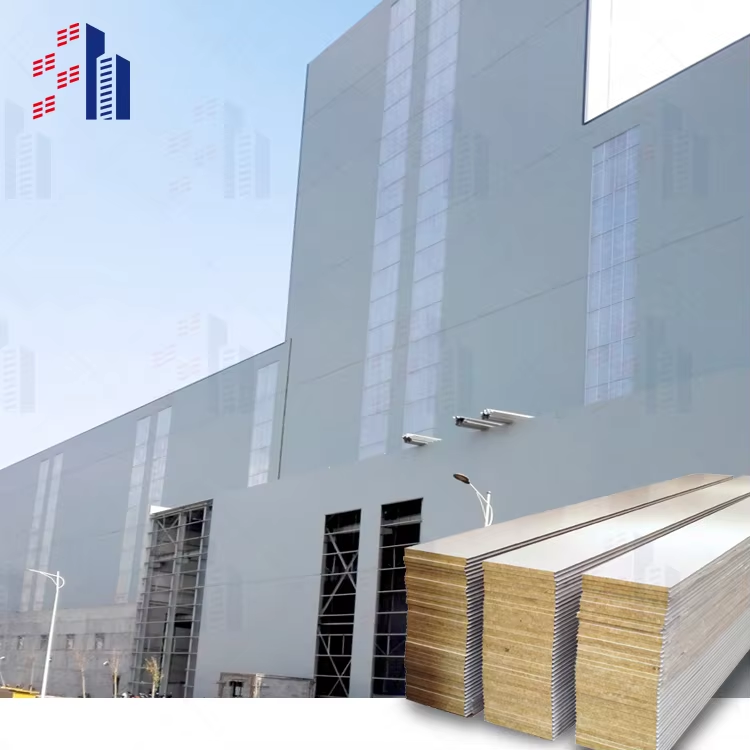
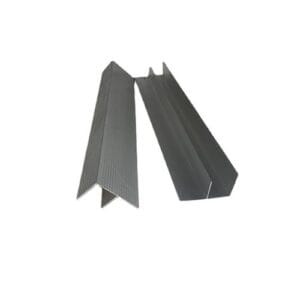
Installation details
Key Specifications
Parameter
Specification
Test Standard
Core Material
Polyurethane (PU) foam, 40±2 kg/m³ density
ISO 845
Fire Rating
A1 (Non-combustible)
EN 13501-1:2018
Thermal Conductivity (λ)
0.022 W/m·K
ISO 8301
Panel Thickness
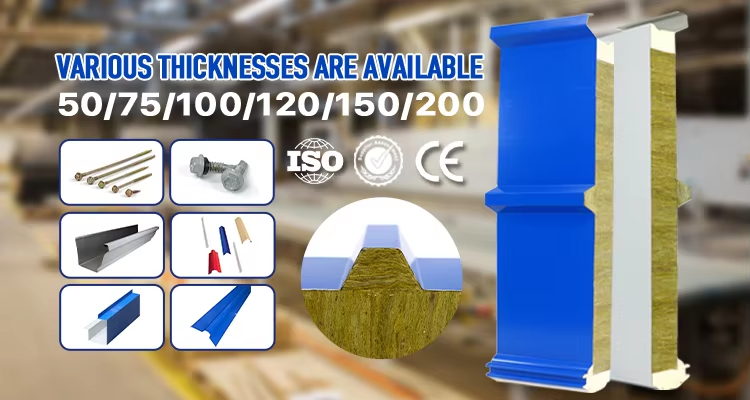
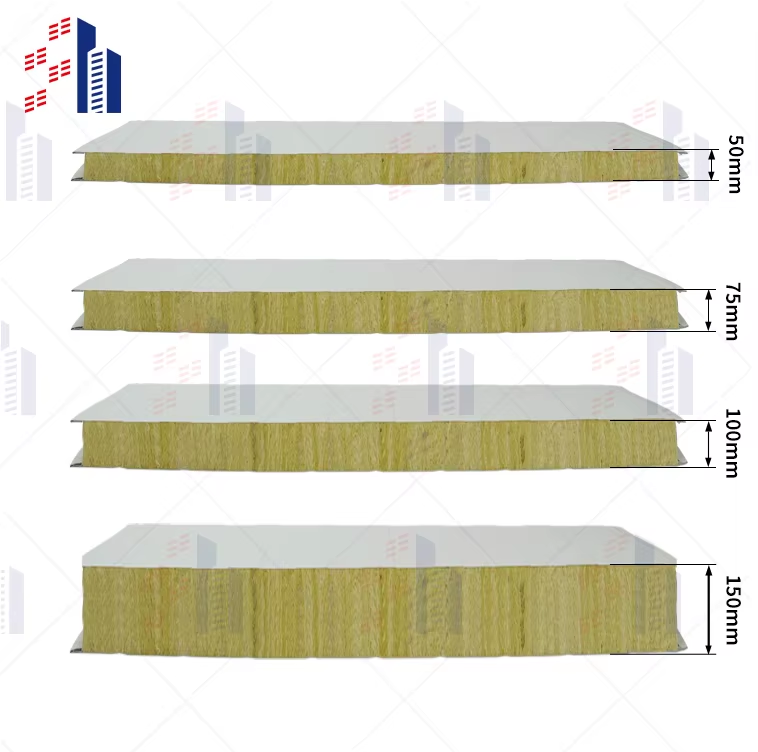
50mm, 75mm, 100mm, 120mm (custom 30-200mm)
–
Skin Material
0.4-0.7mm Galvalume steel (AZ150 coating)
ASTM A792
Compressive Strength
≥150 kPa
ISO 844
Operating Temperature
-50°C to +120°C
ASTM D2126
Custom Sizes
Max. length: 12m; Width: 950/1150mm (adjustable)
–
Important attributes
design
the present age
After-sales service
Online Technical Support, Other
manufacturer
Shandong, China
Nature of sales
of sales
Brand
SH
Warranty Service
polyurethane
Panel Material
polyurethane
Models
SH 150mm
Usage
Exterior Decoration
Product Name
Foamed Pcw
Nature of trade
factory
Minimum Order
Personalization
Thickness
16MM/20MM/25MM
Color
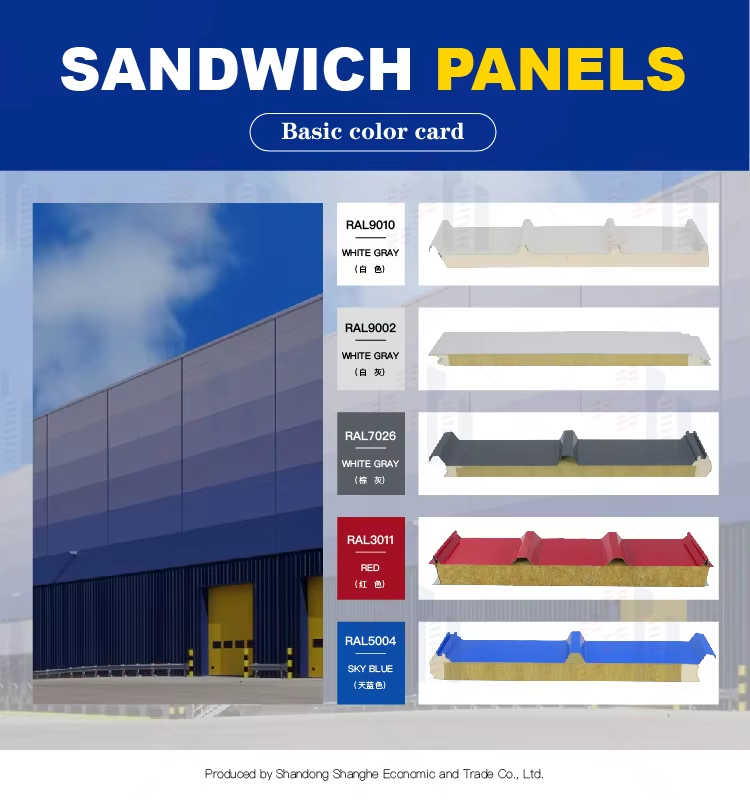
Bright red, vermillion, lime, sky blue, aquamarine, pea green or customized
Width
100mm,120mm,150mm,200mm
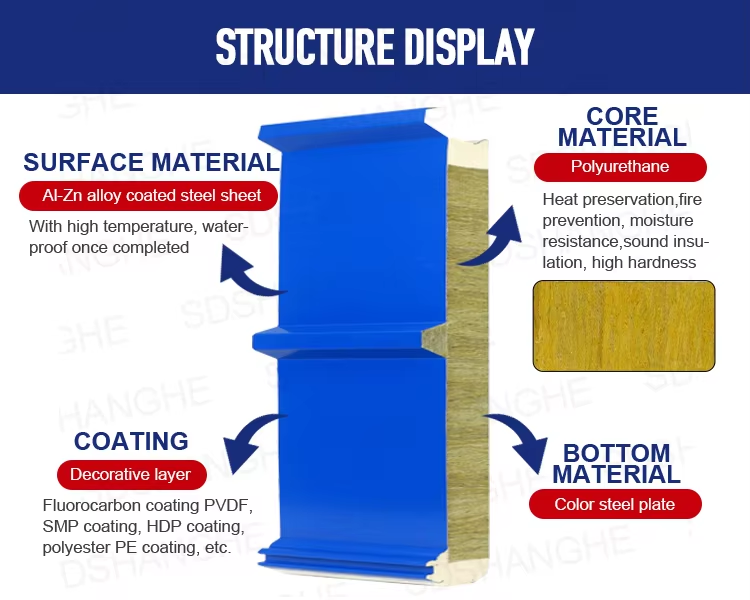
Key Components of Plywood Foam Sandwich Panels
Plywood Faces:Usually consisting of high-quality hardwood or softwood veneers, plywood skins are selected based on the panel’s application requirements. These facings guarantee surface toughness and resistance to impacts.
Foam Core:Common foam materials includeextruded polystyrene (XPS),polyurethane (PU), andpolyvinyl chloride (PVC)foams. Each type offers different thermal insulation values, density, and moisture resistance. XPS foam core is prized for its consistent insulation and water resistance, PU foam offers superior thermal performance, and PVC foam adds chemical resistance.
Optional Reinforcements:For specialized uses, extra layers like fiberglass mats, aluminum sheets, or resin coatings can be integrated to enhance moisture resistance, fire retardancy, or mechanical strength.
Comparison with Traditional Plywood and Other Composite Panels
Compared to traditional plywood, plywood foam sandwich panels surpass inthermal insulation, dimensional stability, and weight reduction. They prevent warping and swelling, common issues in plain plywood exposed to moisture. Unlike conventional SIPs typically used in wall assemblies, plywood foam sandwich panels offer a more versatile surface suitable for furniture, marine, and transportation purposes. Their foam core also provides improved acoustic insulation and better resistance against environmental factors than typical wood or fiber-based panels.
Manufacturing Process Overview
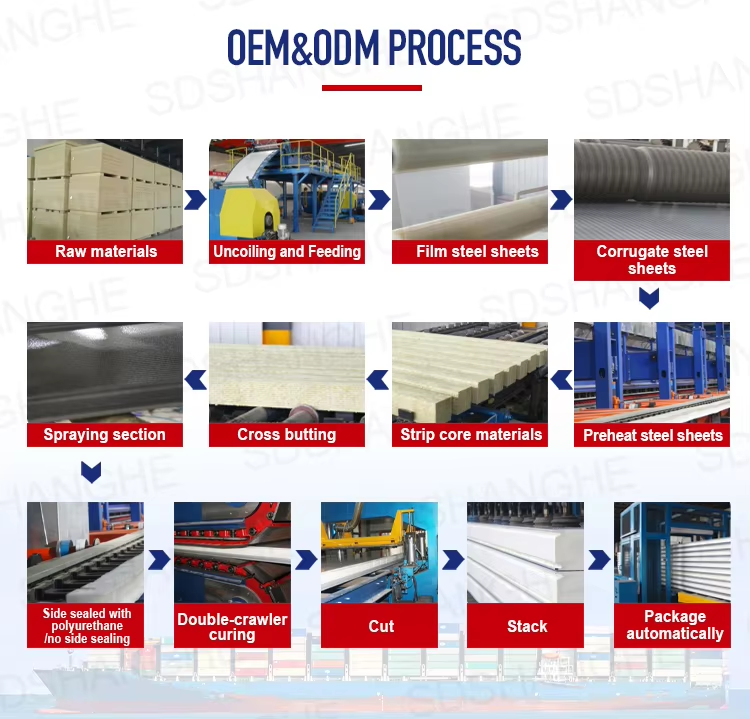
The production of plywood foam sandwich panels involves several critical steps:
Preparation of plywood skinsto precise thickness and grading.
Cutting and shaping of the foam coreto match panel dimensions.
Adhesive application, typically using high-performance cold or hot-setting adhesives to ensure strong bonding.
Lamination under controlled pressure and temperature, creating an integrated panel with flawless-to-core adhesion.
Finishing touches, which may include trimming, sanding, or surface treatments to meet specific customer specifications.
This manufacturing process ensures that the plywood foam sandwich panels deliver consistent performance needed across industries demanding reliable, lightweight, andhigh-strength plywood panels.
Plywood foam sandwich panels offer a modern solution that combines the best materials available to deliver panels suitable for a wide range of construction, RV, marine, and industrial applications. If you’re exploring lightweight sandwich panels that don’t compromise on durability or insulation, these composite panels are worth considering.
Benefits of Plywood Foam Sandwich Panels
Plywood foam sandwich panels offer a range of advantages that make them an excellent choice for many building and manufacturing needs across the United States.
Lightweight Design and Strength
One of the biggest selling points is theirlightweight construction. Thanks to a foam core paired with sturdy plywood skins, these panels deliver ahigh strength-to-weight ratio. This means you get the strength and durability you need without the heavy bulk of traditional materials. It’s especially useful in industries like RV manufacturing and modular homes where weight savings translate directly into better performance and fuel efficiency.
Superior Thermal Insulation
Thefoam core panelsprovide excellentthermal insulation, far surpassing standard plywood alone. This helps maintain consistent indoor temperatures, reduces energy bills, and enhances comfort in both residential and commercial buildings. Compared to other structural insulated panels (SIPs), plywood foam sandwich panels combine insulation with structural integrity, offering a two-in-one solution.
Moisture Resistance and Durability
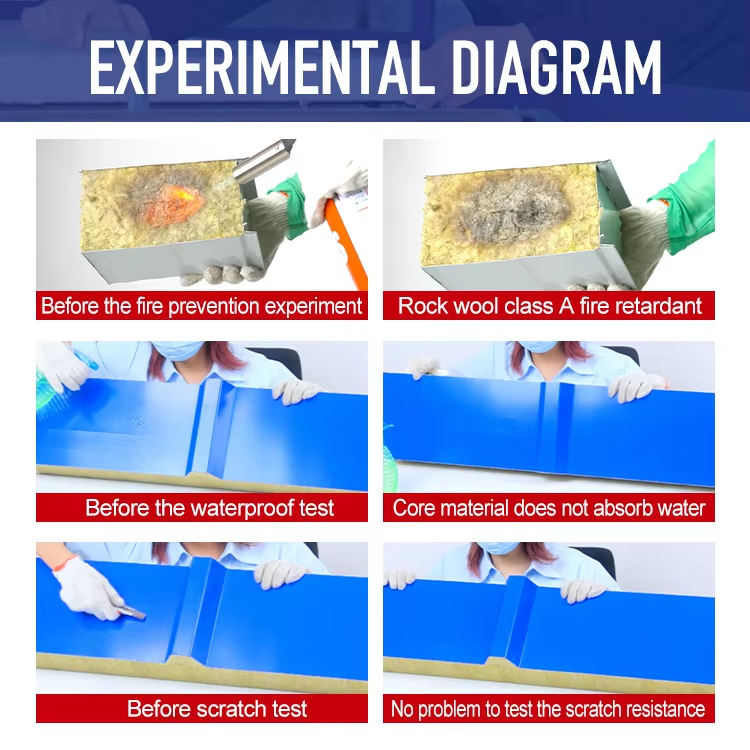
Enhanced withfiberglass or aluminum facings, these panels resist moisture better than regular plywood. That means less risk of warping, swelling, or mold growth. This makes them ideal for use in demanding environments like marine applications, where moisture resistance is crucial.
Sustainability and Eco-friendly Materials
Many plywood foam sandwich panels now incorporateeco-friendly materials, including recycled plywood and bio-based foam cores. This focus on sustainability helps reduce environmental impact without sacrificing performance. Using these panels supports green building initiatives and can contribute to LEED certification points.
Versatility Across Industries
The versatility of plywood composite panels makes them suitable for a broad range of applications such as:
Roofing, walls, and flooring in construction
Lightweight, insulated panels in RVs and campers
Marine interiors and partitions
Furniture design where weight and structure matter
Cargo solutions in transportation like trucks and trailers
This versatility combined with performance benefits puts plywood foam sandwich panels at the forefront for projects demanding lightweight, durable, and thermally efficient materials.
In short, these panels deliver a winning mix of lightweight strength, superior insulation, moisture resistance, and environmental responsibility — tailored to fit today’s diverse U.S. market needs.
Applications of Plywood Foam Sandwich Panels
Plywood foam sandwich panels offer versatile solutions across multiple industries, thanks to theirlightweight structure,thermal insulation, andhigh strength-to-weight ratio. Here’s where they shine the most:
Construction Industry
These panels are a great fit for:
Roofs, walls, and flooringin both residential and commercial buildings
Modular homeswhere quick assembly and energy efficiency matter
Interiorinsulation panelsthat reduce heating and cooling costs
The foam core provides superior insulation, making them an efficient choice for energy-conscious construction.
RV and Camper Manufacturing
In the RV and camper world, weight savings and insulation are critical Plywood foam sandwich panels:
Increasedurabilityto withstand road vibrations and moisture
Case study:Shanghe’s panels have helped RV manufacturers improve insulation performance significantly while reducing overall vehicle weight, leading to better fuel economy and longer-lasting interiors.
Marine Applications
For boats and marine vessels, these panels are ideal for:
Boat interiorsand partitions where moisture resistance and weight reduction matter
Lightweight, durablebulkheads and wall panelsthat stand up to harsh marine environments
Their enhanced moisture resistance, especially with optional fiberglass or aluminum facings, makes them suitable for marine use.
Furniture and Interior Design
Plywood foam sandwich panels also find use in:
Lightweight furniturethat is strong and easy to move
Interiordecorative panels** that offer good aesthetics without sacrificing durability
storage and display units where reducing weight is beneficial
Transportation Industry
For trucks, trailers, and cargo solutions, these panels provide:
Lightweight cargo floorboards and wall panelsto maximize payload
Structural integrity to withstand transport stresses
Thermal insulation to protect sensitive goods
By reducing vehicle weight, these panels help improve fuel efficiency and lower operating costs.
plywood foam sandwich panels from Shanghe deliverhigh performanceacross sectors—construction, marine, transportation, and more—thanks to their balanced mix of strength, weight savings, and insulation. This makes them a smart choice for U.S. customers looking for reliable, efficient building and manufacturing solutions.
Technical Specifications and Performance of Plywood Foam Sandwich Panels
When it comes to plywood foam sandwich panels, understanding the technical specifications is crucial for selecting the right product for your project. These panels combineplywood skinswith afoam core, delivering impressive mechanical strength along with excellent insulation properties.
Mechanical Properties
Flexural Rigidity: Our panels offer high flexural rigidity, meaning they resist bending under load. This makes them ideal for applications where strength and stiffness are critical, such as flooring and structural walls.
Shear Modulus: The foam core contributes to shear strength, ensuring the panel maintains shape and structural integrity under stress. This boost in shear modulus makes plywood foam sandwich panels a reliable choice over traditional plywood or single-material panels.
Thermal and Acoustic Insulation Performance
Thermal Insulation: The foam core—whether XPS, PU, or PVC foam—provides superior thermal resistance. Our panels deliverR-values typically ranging from 4 to 7 per inch, outperforming many traditional construction materials and helping reduce heating and cooling costs.
Acoustic Insulation: Beyond thermal benefits, these panels also dampen sound transmission, making them excellent for residential interiors, RVs, and marine applications where noise control is important.
R-Value Comparisons
Compared to conventional plywood or OSB panels, plywood foam sandwich panels offer substantially higher R-values thanks to their foam core.
For example, a 1-inch plywood foam sandwich panel with XPS foam can provide nearly double the insulation of plywood alone.
Certifications and Standards
Our plywood foam sandwich panels meet or exceed key industry standards, including:
ASTM Internationalstandards for structural integrity
Green certifications emphasizing the ofeco-friendly core materialsand sustainable manufacturing processes
Customization Options
We understand every project is unique. That’s why we offer flexible customization, including:
Thickness ranges from 10 mm to 50 mmto suit load and insulation needs
Core densities from 30 to 60 kg/m³, balancing weight and strength
Diverse surface treatments likemoisture-resistant plywood facings, fiberglass skins, or aluminum overlays for enhanced durability
Optionalreinforcementstailored for heavy-duty and marine environments
Comparison with Other Materials
Feature
Plywood Foam Sandwich Panels
Traditional Plywood
Structural Insulated Panels (SIPs)
Weight
Lightweight
Heavier
Varies
Thermal Insulation
High (R-4 to R-7 per inch)
Low (R-1 per inch)
High
Moisture Resistance
Enhanced with coatings
Moderate
Moderate to high
Structural Strength
Excellent
Good
Excellent
Customization
Wide variety
Limited
Moderate
Our plywood foam sandwich panels bring togetherstrength, lightweight design, and superior insulationto meet varied project demands. Whether you’re building modular homes, marine interiors, or transportation solutions, these panels stand out for their balancedmechanical and thermal performance, backed by industry certifications and flexible customization.
Why Choose Shanghe’s Plywood Foam Sandwich Panels
When it comes toplywood foam sandwich panels, Shanghe stands out with a strong commitment to quality, innovation, and customer satisfaction. Here’s why choosing Shanghe makes a difference for your lightweight sandwich panel needs.
Advanced Technology for Strength and Lightweight Performance
Shanghe usesproprietary technologythat boosts the panel’s structural integrity while keeping the weight low. This means you gethigh-strength plywood panelswith enhanced durability, ideal for applications demanding both toughness and ease of installation. The unique bonding techniques and foam core integration ensure long-lasting performance without sacrificing weight.
Commitment to Sustainability and Eco-Friendly Materials
Sustainability is at the core of Shanghe’s manufacturing process. Their plywood foam sandwich panels leverageeco-friendly building materials, including responsibly sourced plywood and recyclable foam cores like XPS, PU, and PVC foam. This helps reduce environmental impact—important for US markets focused on green construction and energy efficiency.
Custom Solutions Tailored to Industry Needs
No two projects are the same. That’s why Shanghe offerscustom panel solutionstailored to the exact requirements of different industries—from construction and marine to RV manufacturing and transportation. Whether you need enhanced thermal insulation, moisture resistance, or fire-retardant options, Shanghe can provide panels adapted to your specific application.
Rigorous Quality Control and Global Standards Compliance
Quality is never compromised. Shanghe follows strictquality control protocolsthroughout the manufacturing stages to ensure each plywood foam sandwich panel meets or exceeds industry standards. These panels come certified for mechanical strength, thermal performance, and moisture resistance, aligning with US and international norms for building materials.
Dedicated Customer Support and Technical Guidance
Shanghe supports customers beyond the purchase. Their team provides **technical guidance on selecting the right panel, installation tips, maintenance, and even-specific consulting. This hands-on support simplifies decision-making and enhances your success with plywood foam sandwich panels.
In :Shanghe combines industry-leading technology, eco-conscious materials, customizable options, strict quality control, and solid customer support to deliver some of the best plywood foam sandwich panels in the US market.
How to Select the Right Plywood Foam Sandwich Panel
Choosing the rightplywood foam sandwich panelcan make all the difference in your project’s performance, durability, and cost-effectiveness. Here’s what to consider to get the best fit for your needs.
Consider Your Application and Load Requirements
Structural demands: Determine the weight and stress the panel will face. For floors or walls in heavy-duty construction, select panels with higher flexural rigidity and shear strength.
Purpose: Whether it’s for insulation, aesthetics, or structural support, your choice of panel should reflect this. For example, panels used in modular homes or RVs should balance weight with durability.
Environmental exposure: Outdoor applications or marine uses require panels resistant to moisture, UV, and temperature changes.
Evaluate Environmental Conditions
Moisture and humidity: For wet or humid environments, panels with moisture-resistant skins (like fiberglass facing) and water-resistant foam cores are best.
Temperature range: Extreme hot or cold conditions call for panels with higher thermal insulation values, such as those using XPS or PU foam cores.
Fire resistance: Depending on code requirements, panels with fire-retardant treatments or specific core materials may be necessary.
Core Material Selection: XPS vs PU vs PVC Foam
XPS (Extruded Polystyrene foam): Offers strong thermal insulation, moisture resistance, and good compressive strength. Ideal for roofing and wall sandwich panels.
PU (Polyurethane foam): Known for superior insulation (higher R-value) and lighter weight. Common in transport applications and RV sandwich panels.
PVC (Polyvinyl Chloride foam): Durable, impact-resistant, and excellent for marine or heavy-duty industrial uses, though slightly heavier than PU.
Skin Material Options: Plywood, Fiberglass, Aluminum
Plywood facings: Provide excellent strength, natural appearance, and easy workability. Great for construction, furniture, and interior panels. Check thickness and wood grade based on load and finish requirements.
Fiberglass skins: Lightweight and highly resistant to moisture and corrosion. Perfect for marine and RV panels, or areas needing high moisture protection.
Aluminum facings: Offer superior durability, fire resistance, and lightweight. Ideal for high-performance exterior cladding or transport vehicle panels.
Tips for Installation and Maintenance
Proper handling: Avoid bending or dropping panels, as foam cores can crush and weaken.
Sealing edges and joints: Use appropriate sealants to prevent moisture ingress, especially in outdoor or marine settings.
Fastening: Use recommended screws or adhesives compatible with both skin and core materials to ensure complete bonding.
Routine inspection: Check for delamination or damage periodically, especially in high-moisture environments.
Consult Shanghe for Project-Specific Recommendations
Every project has unique needs. At Shanghe, our experts can help you:
Match the right panel thickness, core density, and skin type to your application.
Customize panels for special environmental or load conditions.
Provide technical support for installation techniques and maintenance.
Challenges and Considerations for Plywood Foam Sandwich Panels
While plywood foam sandwich panels offer many advantages, it’s important to be aware of somepotential challengesand plan accordingly to get the best performance.
Potential Drawbacks
Incomplete bonding issues: Poor adhesion between plywood facings and foam core can lead to panel delamination or reduced structural integrity. This usually happens if manufacturing controls aren’t tight or if panels are exposed to harsh conditions.
Fire resistance concerns: Foam cores, especially polyurethane (PU) and PVC, are generally combustible. Without proper fire retardant treatments or protective facings like fiberglass or aluminum, the panels might not meet fire safety codes in all applications.
Environmental exposure: Extended exposure to moisture or UV rays can degrade panel performance over time unless enhanced protective skins or coatings are used.
Mitigating Risks Through Design and Material Selection
To handle these issues effectively:
Choosehigh-quality adhesives and ensure strict manufacturing quality controlfor strong bonding between plywood skins and foam core.
Opt forfire-retardant foam coresor panels with secondary fire-resistant layers to meet local safety regulations.
Usefiberglass or aluminum facingsto improve moisture resistance and durability in outdoor or humid environments.
Regularly inspect and maintain panels, especially in demanding conditions like marine or transportation applications.
Addressing Environmental Concerns and Lifecycle Management
Sustainability is a key priority in today’s building materials market, including for plywood foam sandwich panels:
Many manufacturers, including Shanghe, prioritizeusing eco-friendly foam coressuch as bio-based or recycled XPS, PU, or PVC foams.
Some panels are designed to befully recyclable, and efforts are in place to manage end-of-life disposal responsibly.
Proper design can extend panel life and reduce waste, contributing to alower environmental footprintover the product’s full lifecycle.
By understanding these challenges and carefully selecting plywood foam sandwich panels withthe right core materials, facings, and proper installation, you can ensure optimal performance and longevity while supporting sustainable practices.
Future Trends in Plywood Foam Sandwich Panels
Plywood foam sandwich panels are evolving fast, driven by demand forlighter, stronger, and greener building materialsacross the U.S. market. Here’s what’s shaping the future of these versatile panels:
Advances in Eco-Friendly Core Materials
The industry is moving toward usingbio-based foamsand other sustainable core materials that reduce environmental impact without sacrificing performance. These eco-friendly foams offer:
Lower carbon footprints compared to traditional polyurethane (PU) or XPS foams
Improved biodegradability and easier recycling options
Better compliance with green building standards and certifications
Integration with Smart Building Technologies
Plywood foam sandwich panels are starting to play a bigger role insmart buildings. For example:
Panels embedded with sensors for real-time monitoring of temperature, humidity, or structural health
Integration with IoT systems to optimize energy efficiency and maintenance
Use in energy-efficient prefabricated homes and commercial builds
Growing Demand in Sustainable Construction and Lightweight Vehicles
There’s a rising trend towardsustainability and weight reductionin construction and transportation sectors, which drives plywood foam sandwich panel innovation:
Increased use inmodular homes and green building projectsaiming for rapid assembly and energy savings
Expanded adoption inRVs, campers, and lightweight trailers, where durability and insulation matter
Applications in lightweight cargo solutions for trucks and trailers to boost fuel efficiency
Shanghe’s Innovation Roadmap for Composite Panels
At Shanghe, we’re committed to staying ahead with focused innovation on:
By adopting these trends, plywood foam sandwich panels will continue to be a top choice for industries that needlightweight, durable, and sustainable materialsthat meet today’s and tomorrow’s challenges.
FAQs About Plywood Foam Sandwich Panels
What Are the Main Advantages of Plywood Foam Sandwich Panels
Plywood foam sandwich panels offer alightweight yet strong structure, thanks to their foam core paired with plywood facings. This design delivers:
Superior thermal insulationcompared to traditional plywood, helping reduce energy costs.
An excellentstrength-to-weight ratio, making them ideal for applications where every pound counts.
Moisture resistance, especially when enhanced with fiberglass or aluminum layers, providing durability in damp or humid environments.
Versatilityin use, from construction and marine to vehicle manufacturing.
Environmentally friendly options witheco-conscious core materials, supporting sustainable building efforts.
How Do These Panels Compare to Traditional Structural Insulated Panels (SIPs)
While both plywood foam sandwich panels and traditional SIPs provide insulation and strength, plywood foam panels stand out with:
Better flexibility in skin material options(plywood, fiberglass, aluminum), catering to different project needs.
Alighter weight, which makes handling and installation easier without compromising strength.
Enhanced moisture resistance when paired with proper facings, whereas traditional SIPs might absorb moisture more readily.
Customization in foam core types like XPS, PU, or PVC foam for tailored thermal and mechanical properties.
Are Plywood Foam Sandwich Panels Suitable for Marine Environments
Yes, absolutely. These panels are widely used inmarine composite applications, including boat interiors and partitions, because:
The foam core combined with plywood skins, especially when reinforced with fiberglass or coated with waterproof materials, offersexcellent moisture resistance.
Theirlightweight naturehelps improve fuel efficiency and maneuverability.
The panels resist corrosion and mildew better than many traditional materials used in marine settings.
What Customization Options Are Available
Shanghe’s plywood foam sandwich panels can be customized to meet specific project needs, including:
Core material choice:XPS foam, polyurethane (PU), or PVC foam based on insulation and rigidity requirements.
Thickness and density:Different panel thicknesses and foam densities to balance performance and weight.
Surface treatments:Options like fiberglass or aluminum facings for enhanced durability and moisture resistance.
Sizes and shapes:Cut to fit particular dimensions or design needs in construction, marine, or transportation sectors.
What Are the Best Practices for Installation
To maximize the lifespan and efficiency of plywood foam sandwich panels, keep these tips in mind:
Ensureproper bondingduring installation to avoid delamination issues.
Use panels designed withmoisture-resistant facingsin humid or outdoor environments.
Follow manufacturer recommendations on load limits and handling to maintain panel integrity.
Consult Shanghe’s technical support forproject-specific guidanceon installation and maintenance.
By understanding these FAQs, you’ll be better equipped to choose, customize, and install plywood foam sandwich panels that fit your project and performance goals perfectly.
CLIENT TESTIMONIALS
Best investment for our food truck kitchen! Easy to wipe clean and the thermal rating actually works. Burnt my first batch of fries testing it - panels stayed cool to touch. #FoodTruckLife
Luc
Withstood 60mph winds when that nor'easter hit. Neighbor's shed roof flew away but ours held strong! Would give 5 stars if the warranty process wasn't such paperwork hassle
Sophie
Finally found panels that don't make our tiny house look like a storage unit! The matte finish gives such a sleek, modern vibe. Bonus: Delivery guy helped position them perfectly