
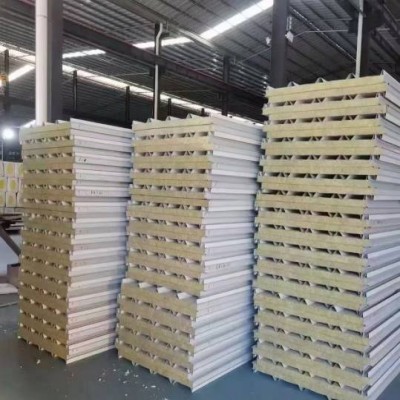
100mm sandwich panels price are pre-fabricated composite building materials made of two steel facings bonded to an insulated core. These panels combine structural strength with thermal efficiency, making them ideal for modern construction. The steel facings usually come in galvanized or PVDF-coated varieties for durability, while the core material varies to meet specific insulation or fireproofing needs.
Understanding Sandwich Panel Thicknesses
When choosing sandwich panels, thickness matters. Here’s a quick rundown of common thicknesses and their typical uses:
- 50mm panels: Basic insulation, often used for non-critical warehouse walls or simple roofing.
- 75mm panels: The standard choice for moderate insulation needs—common in commercial buildings.
- 100mm panels: The sweet spot, offering balanced performance with higher thermal resistance and soundproofing capabilities.
- 150mm+ panels: Designed for extreme conditions like ultra-cold storage or areas requiring fire-rated construction.
Why Pick 100mm Thickness?
100mm sandwich panels offer a unique balance of insulation and cost-efficiency:
- Higher R-value: Typically reaching 5-6 m²K/W for PU (polyurethane) and PIR (polyisocyanurate) cores, these panels significantly reduce heat transfer compared to thinner options.
- Better soundproofing: Offering 30+ dB of noise reduction, 100mm panels are ideal for environments where sound control is crucial.
- Cost-effective upgrade: Moving from 50mm or 75mm panels to 100mm often results in long-term energy savings that offset the small initial price difference.
Common Applications for 100mm Sandwich Panels
Thanks to their robust insulation and structural benefits, 100mm sandwich panels are popular in many sectors:
- Industrial warehouses – For temperature control and durability
- Cold rooms and refrigerated storage – Where thermal efficiency is critical
- Commercial roofs – Balancing weight and insulation
- Cleanrooms – Supporting hygiene with tight sealing and temperature control
- Prefab buildings – Offering fast installation with superior performance
In short, the 100mm thickness is a versatile choice that meets the needs of both everyday commercial buildings and more demanding industrial applications, making it the preferred option for many U.S. construction projects in 2025.
Factors Influencing 100mm Sandwich Panel Prices in 2025
When considering the 100mm sandwich panel price in 2025, several key factors come into play that affect cost and overall value for U.S. customers. Understanding these helps you choose the best panel for your project while managing budget expectations.
Core Material Impact on Price
The choice of core material largely drives the cost difference:
- EPS (Expanded Polystyrene): Lightweight and budget-friendly. Ideal for non-fire-rated walls or roofs. Expect the lowest price range here.
- PU/PIR (Polyurethane/Polyisocyanurate): Offers higher thermal insulation (R-values up to 5-6 m²K/W). A preferred choice for cold storage and energy-efficient buildings. Prices are mid-range but represent better long-term energy savings.
- Rockwool: Premium option with A1 fireproof rating and superior soundproofing. Most expensive but essential for fire-rated or soundproof wall panels.
Steel Thickness and Coating
Steel facing affects durability and pricing:
- Thickness: Typically ranges from 0.4mm to 0.7mm. Thicker steel means stronger panels and higher cost.
- Coatings: Galvanized steel or PPGI are standard. For longer life and weather resistance, PVDF coating (Polyvinylidene fluoride) adds value but increases price.
Dimensions and Customization
Standard panel widths are about 950-1150mm, with lengths customized to project specs:
- Custom lengths may increase costs slightly but reduce onsite waste.
- Color options (RAL standard colors) and sealed edges for waterproofing can add to the final price.
- Custom profiles or sandwich panel thickness changes also impact cost.
Order Volume and Purchase Channel
- Factory direct orders, like those from Shanghe, usually offer the best prices.
- Buying wholesale or in bulk (500+ m²) unlocks discounts up to 10-20%, lowering your per square meter cost.
- Smaller orders often carry premiums.
External Market and Shipping Factors
- Raw material prices for steel and foam fluctuate and directly affect panel costs.
- Shipping terms matter: FOB China pricing is lower, but CIF (Cost, Insurance, Freight) includes delivery to U.S. ports, influencing landed cost.
- In 2025, expect market-driven price adjustments aligned with a 6-8% industry growth pushing manufacturers toward competitive pricing and better value deals.
For more on core types and pricing, check out PU sandwich panels and rockwool panels with fire resistance.
2025 100mm Sandwich Panel Price Breakdown Per m²
When looking at 100mm sandwich panel price per sqm in 2025, costs vary mainly based on the core material and panel specification. Here’s a clear breakdown:
EPS Core Panels: Budget-Friendly Option
- Price Range: $8 – $14 per m²
- Great for non-fire-critical walls and roofs
- Lightweight, cost-effective, but lower fire resistance and insulation compared to others
PU/PIR Core Panels: The Preferred Choice for Insulation
- Price Range: $12 – $22 per m²
- Offers the best thermal efficiency
- Popular for cold storage rooms and commercial buildings
- PIR panels tend to be slightly pricier but more durable than PU
Rockwool Core Panels: Premium Fireproof & Soundproof
- Price Range: $15 – $28 per m²
- Best for fire-rated and acoustic applications
- Often come with PU-sealed edges to ensure waterproofing
- Ideal where fire safety and sound insulation are priorities
Specialized 100mm Sandwich Panels
- Cold Room Panels: $18 – $30 per m² — tailored for precise temperature control
- Fire-Rated Panels: Starting at $20+ per m² for enhanced fire resistance
- Acoustic Panels: Starting at $22+ per m², designed to reduce noise significantly
Shanghe Factory Pricing Highlights
- Competitive FOB China prices start as low as $10 per m² for bulk orders (500 m²+)
- Free sample panels available to check quality before committing
- Direct factory pricing helps U.S. buyers cut intermediaries and save
- Custom options at no extra cost help match project needs without added price hikes
Bottom line: For U.S. customers seeking a mix of quality and value, PU/PIR cores at $12-$22 offer the best balance. For stricter fire or soundproof needs, upgrading to rockwool is worth the premium. Ordering from reputable factories like Shanghe ensures competitive pricing backed by factory support.
100mm Sandwich Panel Price Comparisons: Core Types, Thickness, and Applications
When looking at 100mm sandwich panel prices, it’s key to understand how core materials, thickness, and panel use influence costs. Let’s break down the price differences and why 100mm stands out in performance and value.
Core Material Price Comparison
| Core Type | Price Range per m² (2025) | Key Benefits | Common Use Cases |
|---|---|---|---|
| EPS | $8 – $14 | Budget-friendly, lightweight | Non-fire-rated walls, roofs |
| PU/PIR | $12 – $22 | High insulation (R-value 5-6 m²K/W), energy-efficient | Cold rooms, commercial roofing |
| Rockwool | $15 – $28 | Fireproof A1 rating, excellent soundproofing | Fire-rated walls, soundproof zones |
| Specialty | $18 – $30+ | Cold room, fire-rated, acoustic | Specialized insulated environments |
- EPS panels are the cheapest but less fire resistant.
- PU/PIR cores balance price and superior insulation, often chosen for cold storage and energy-sensitive buildings.
- Rockwool panels cost more but offer top fire and acoustic performance—ideal where safety is top priority.
Thickness Price Comparison (75mm vs. 100mm vs. 150mm)
Increasing thickness influences price but also delivers energy savings:
| Thickness | Price Range per m² | Energy Savings (vs. 75mm) | Application Focus |
|---|---|---|---|
| 75mm | $9 – $18 | Baseline | Standard insulation |
| 100mm | $12 – $22 | 20-30% energy bill savings | Balanced thermal + cost |
| 150mm+ | $18 – $35+ | Up to 40% savings | Extreme cold/fire protection |
- 100mm panels offer a sweet spot: better insulation than 75mm at a moderate price increase.
- They reduce heating and cooling costs significantly, making them cost-effective in the long run.
- 150mm and thicker panels are premium and mostly for extreme conditions but come with steep price tags.
Wall vs. Roof Panel Price Differences
- Roof panels generally cost 10-15% more than wall panels of the same core and thickness.
- This is due to the corrugated design used for better structural strength and water runoff.
- For example:
- 100mm PU wall panel might be around $15/m²
- 100mm PU roof panel could be $17-$18/m²
Regional Pricing Overview for 100mm Sandwich Panels
| Region | Price Range per m² | Notes |
|---|---|---|
| China FOB | $10 – $18 | Lowest prices, ideal for bulk orders (500+ m²) |
| UAE / Singapore CIF | $15 – $25 | Includes shipping & customs, quick delivery |
| USA / Europe | $20 – $35 | Higher due to tariffs, shipping, and local standards |
- Importing from China FOB offers noticeable price advantages for bulk buyers.
- The Middle East and Southeast Asia see mid-range pricing with CIF delivery options.
- Buyers in the U.S. and Europe expect higher costs due to taxes and shipping fees but benefit from local support and compliance.
For more details on buying 100mm PU or PIR sandwich panels, check out Shanghe’s product page, where you can get custom quotes and sample packs.
Key Takeaway: Choosing the right core and thickness depends on your budget and project focus. The 100mm sandwich panel price offers a balance of cost and energy efficiency, making it the smart choice for U.S. builders aiming for long-term savings without overspending upfront.