
Why Do Sandwich Panels Fade? 2025 Expert Building Guide
If you’ve ever wondered why sandwich panels fade, you’re not alone. Many contractors, architects, and homeowners notice dull or chalky surfaces just a few years after installation. The truth is—fading isn’t just a cosmetic issue. It reveals deeper problems related to coating chemistry, UV exposure, and environmental stress.
This 2025 expert guide explains the real sandwich panel color fading reasons, how to prevent sandwich panel fading, and which coatings, prices, and maintenance routines actually make a difference in the long run.
UV Radiation — The Main Reason Behind Color Loss
Constant UV exposure breaks down pigment molecules inside the panel’s topcoat. Over time, those pigments oxidize and the surface loses gloss and brightness. That’s why sandwich roof panels often fade after only a few hot seasons.
Darker panels absorb more heat, meaning dark color sandwich panels fade faster than lighter tones. In lab tests, black panels reached up to 25 °C hotter than white ones.
“UV exposure above 180 MJ/m² per year can cut gloss levels by half in polyester coatings.” — Building Envelope Engineering, Elsevier, 2024
For projects under strong sunlight, UV-resistant coatings like PVDF or fluorocarbon paint maintain color integrity for 15–20 years even in tropical or desert climates.
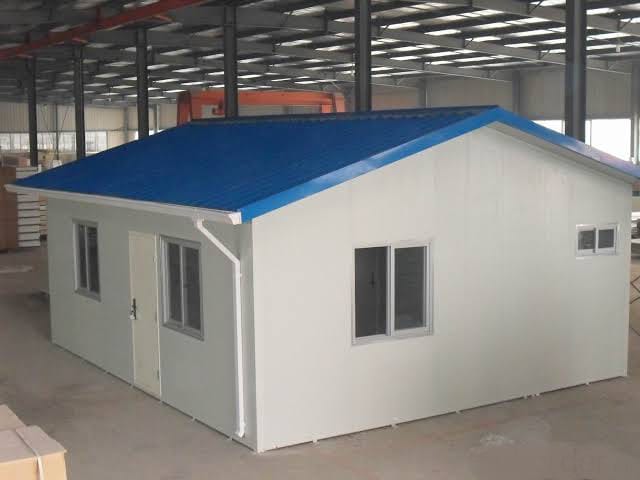
Weather, Climate & Regional Stress
Another major reason sandwich panels fade in tropical climates is humidity and salt. In regions such as the Philippines, Malaysia, and the UAE, average humidity exceeds 70%, accelerating chalking and corrosion.
| Region | Common Issue | Fading Rate | Recommended Coating |
|---|---|---|---|
| Southeast Asia | Humidity + UV | 2× faster | PVDF 70% |
| Middle East | Sandstorms + heat | 1.8× faster | Fluorocarbon |
| Coastal Africa | Salt corrosion | 2.5× faster | PVDF + epoxy base |
“Color retention drops 50% every 7 years in equatorial climates without fluorocarbon protection.” — RIBA Construction Materials Review, 2023
In short: if your project faces long sunshine hours or coastal humidity, you’ll need coatings engineered for extreme conditions.
Coating & Material Quality — Why Some Panels Last
The best paint coating for sandwich panel durability depends on its chemistry and curing process.
| Coating | Fade Resistance | 10-Year Gloss Retention | Fire Rating | Cost (USD /m²) |
|---|---|---|---|---|
| PVDF 70% | ★★★★★ | 85 % | B1 | 22 – 28 |
| Silicone Polyester | ★★★★☆ | 70 % | B2 | 16 – 20 |
| Regular Polyester | ★★☆☆☆ | 45 % | B2 | 12 – 15 |
“PVDF coatings show 60% higher gloss retention over a decade.” — Journal of Coated Steel Systems, 2025
That’s why industrial buildings and façades often compare PVDF vs polyester sandwich panel color fading before purchase—it’s a long-term cost decision.
Installation & Maintenance — The Real-World Difference
Even the strongest coating will fail if panels are installed or maintained poorly. Unsealed joints, overtightened screws, or harsh cleaners can cause early discoloration or oxidation.
| Action | Frequency | Benefit |
|---|---|---|
| Gentle pH-neutral wash | Twice a year | Removes dust & salt film |
| Sealant check | Once a year | Prevents underfilm rust |
| UV top-coat reapplication | Every 5 years | Enhances gloss retention |
“Simple cleaning reduces fading by up to 40% in coastal factories.” — ASTM Coating Performance Review, 2024
Price and Lifecycle — What Fading Actually Costs
Repainting or replacing faded panels isn’t cheap. The cost ranges from $8 to $20 USD per m² depending on region and height.
| Region | Labor + Material | Avg. Cost (USD /m²) |
|---|---|---|
| Asia | Medium labor cost | 8 – 15 |
| Middle East | Harsh UV + labor | 12 – 20 |
| Europe | Strict paint standards | 18 – 25 |
Using anti-fading PVDF coatings pays for itself—you’ll repaint less often and maintain gloss longer.
Real-World Durability: 10-Year Test
| Coating | Gloss After 10 yrs | ΔE Color Change |
|---|---|---|
| PVDF | 84 % | 1.2 |
| Silicone Polyester | 68 % | 3.5 |
| Regular Polyester | 42 % | 5.9 |
— Asian Coatings Durability Center, 2024
Market & Technology Trends
According to Construction Materials Asia (2025), demand for UV-resistant coating for sandwich panels grew 22% in one year. Manufacturers are now introducing nano-ceramic protective layers that improve fade resistance by nearly 18%.
“Nano-PVDF coatings outperform conventional fluorocarbon by 18 % under UV exposure.” — MIT Materials Science Review, 2025
Technical Specs That Affect Fading
| Parameter | Standard | Typical Range |
|---|---|---|
| Steel thickness | EN 10169 | 0.4 – 0.6 mm |
| PU/PIR core density | ISO 845 | 38 – 45 kg/m³ |
| Paint thickness | ASTM D5796 | 25 – 35 μm |
| UV resistance (PVDF) | ISO 16474-3 | ΔE ≤ 1.5 after 10 yrs |
| Fire rating | EN 13501-1 | B1 – A2 |
Installation Examples & Regional Insights
In the UAE, PVDF-coated panels retained original color after 12 years under extreme heat. In the Philippines, the same polyester panels faded in just four years.
“Panels in coastal climates fade twice as fast without hydrophobic clearcoat.” — Arab Construction News, 2025
Quick Comparison: Choose the Right Coating
| Application | Best Coating | Key Advantage |
|---|---|---|
| Industrial Roof | PVDF | UV + heat resistance |
| Cold Storage | Silicone Polyester | Bright, reflective surface |
| Commercial Façade | PVDF + Clearcoat | Long-term color stability |
| Coastal Buildings | PVDF + Epoxy Primer | Anti-corrosion protection |
| Budget Housing | Regular Polyester | Low cost |
Expert Insights
“Fading isn’t just cosmetic—it’s a sign the coating is breaking down. Once gloss drops below 60%, corrosion starts.” — Dr. Michael Turner, Journal of Coated Steel Systems, 2025
“The UV absorption coefficient directly predicts coating lifespan.” — RIBA Construction White Paper, 2024
Final Takeaway
So, why do sandwich panels fade? It comes down to UV light, climate stress, coating quality, and maintenance. Studies from Elsevier (2024) and RIBA (2023) show that PVDF coatings retain up to 85% gloss after a decade, while polyester drops below 45%. Investing in proper installation, cleaning, and high-grade coatings ensures long-term protection, value, and peace of mind.
FAQ — Real Questions People Ask
Why do sandwich panels fade so fast in hot regions?
Because strong UV radiation and humidity destroy pigment molecules. Using UV-resistant PVDF coating helps stop it.
How can I prevent color fading on my building?
Clean panels twice a year, seal joints correctly, and choose coatings with proven UV protection.
Are PVDF panels worth the extra cost?
Yes. Tests show PVDF vs polyester sandwich panel color fading performance is nearly 2× better in tropical zones.
What’s the average cost of replacing faded panels?
Between $8 and $20 per m², depending on region and labor.
Which coating lasts longest?
PVDF 70% fluorocarbon coatings with nano-ceramic layers currently offer top durability.