Understanding 40 mm Sandwich Panels
When it comes to choosing the right construction material, 40 mm sandwich panels offer a smart balance of strength, insulation, and versatility. But what exactly makes these panels stand out?
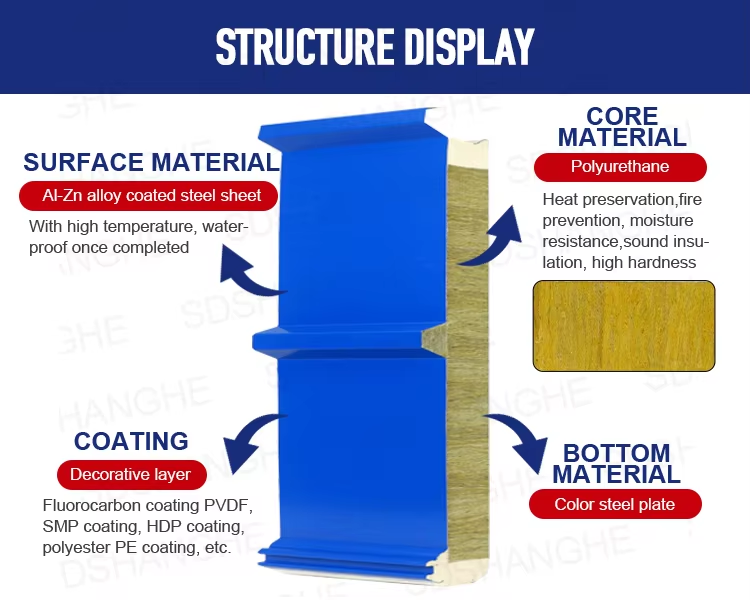
Composition and Core Materials
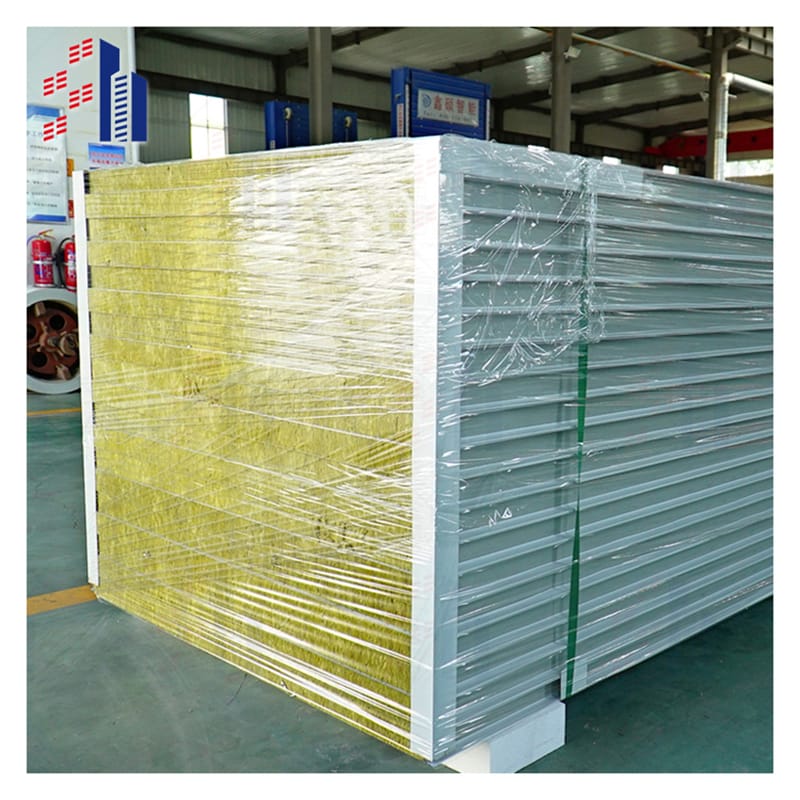
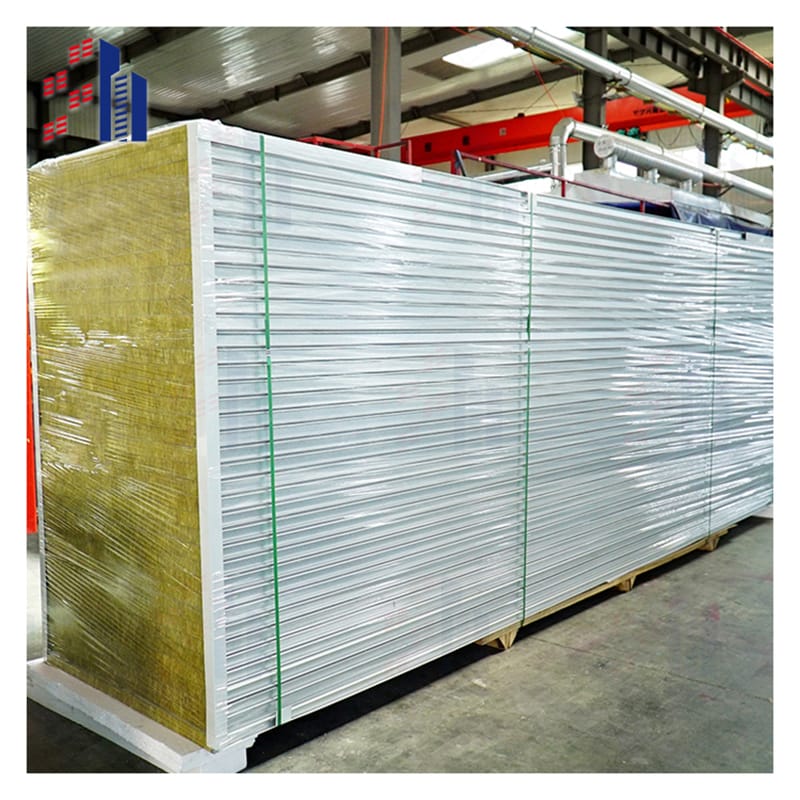
A 40 mm sandwich panel typically consists of three layers:
- Outer and inner metal sheets – usually galvanized steel or aluminum for durability and weather resistance.
- Core insulation material – this is where the panel’s thermal and acoustic performance comes from. Common core materials include:
- Polyurethane (PU) or Polyisocyanurate (PIR) foam for excellent thermal insulation.
- Expanded Polystyrene (EPS) for a cost-effective solution.
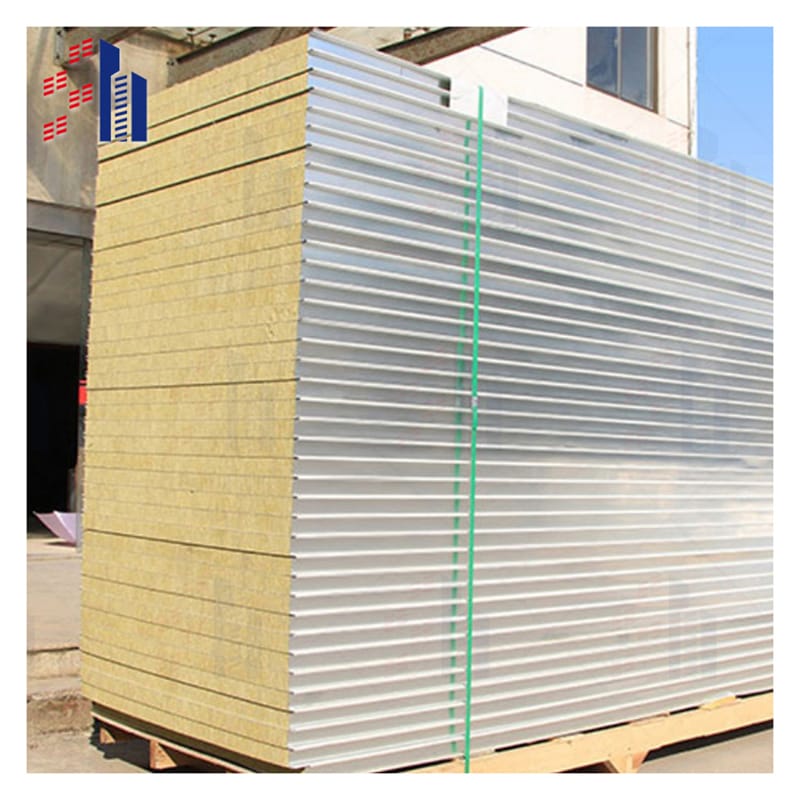
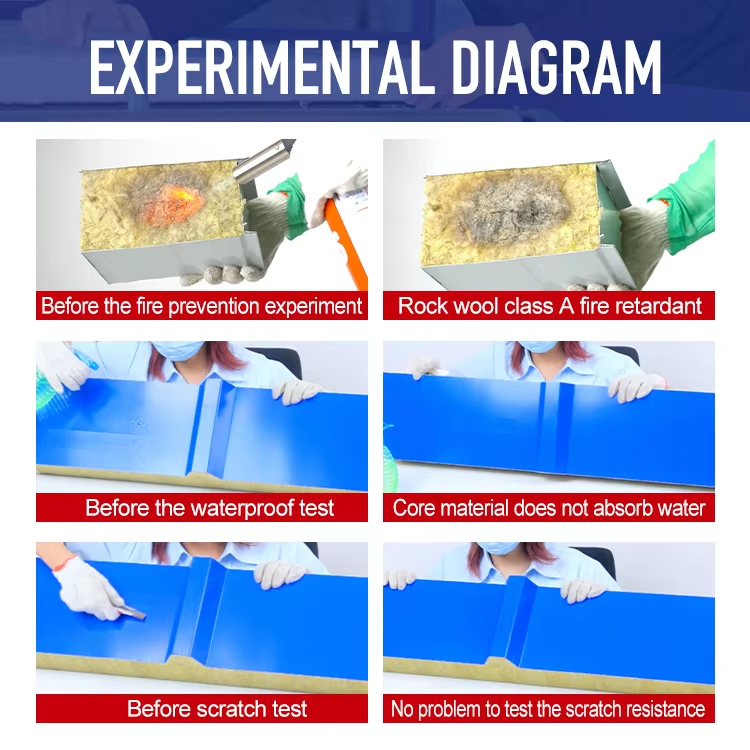
- Mineral wool for enhanced fire resistance and soundproofing.
Each core type offers unique benefits, so selecting the right one depends on your project’s needs.


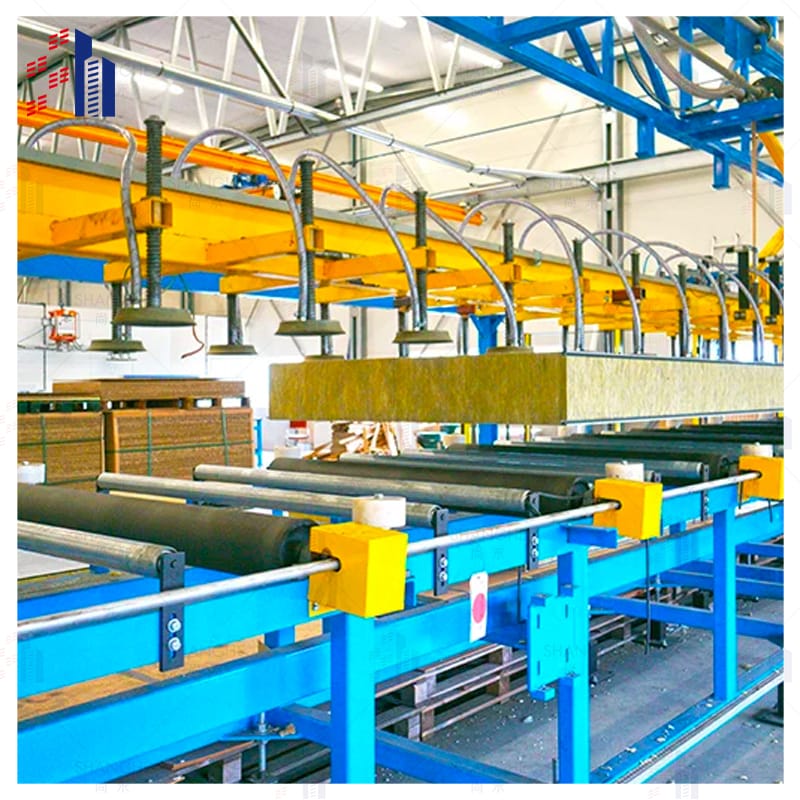
Customers visit the factory


Installation details
Key Specifications
| Parameter | Specification (Metric) | U.S. Standard | Why It Matters |
|---|
| Core Material | PIR (Polyisocyanurate) | ASTM E84 Class A | Stops fires + cuts cooling costs by 40% |
| Fire Rating | A1 (Non-combustible) | UL 94 V-0 | Meets NYC high-rise codes – no toxic smoke |
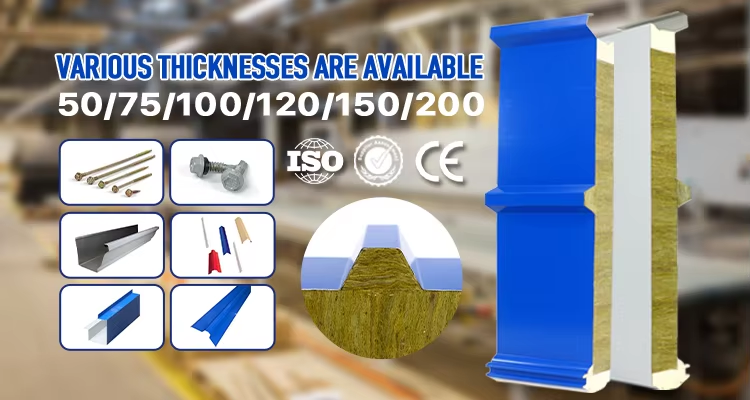
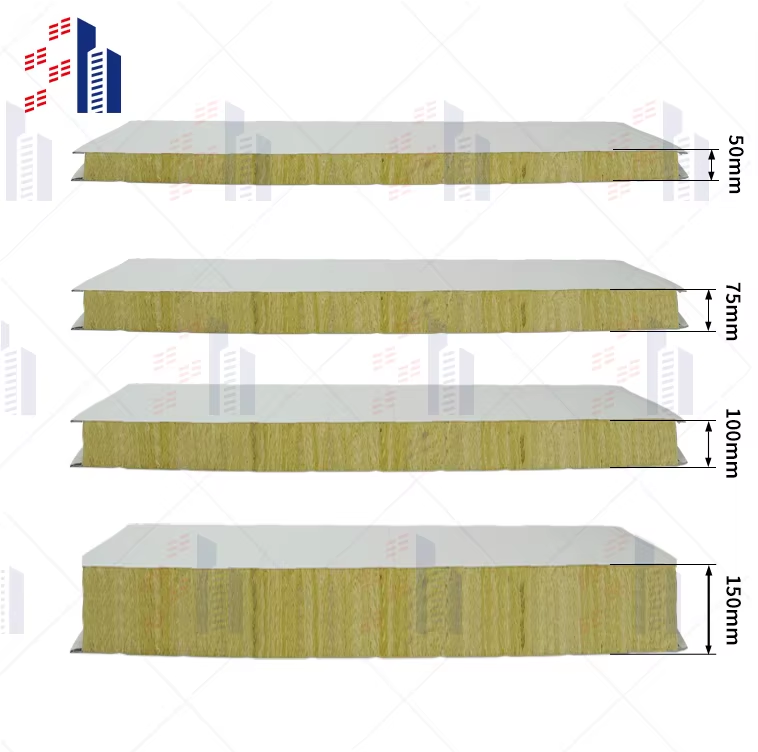
| Thickness | 50mm, 75mm, 100mm | – | 100mm = -40°F freezer compliance (ASHRAE) |
| Thermal Conductivity (λ) | 0.022 W/m·K | R-6.5 per inch | Beats fiberglass (R-3.7) – cheaper long-term |
| Panel Strength | 150 kPa compressive | ASTM C165 | Walkable roof loads (25 psf) – no dents |
| Custom Sizes | Up to 40ft x 4ft | – | Fewer seams = faster install + better insulation |
Important attributes |
| design | the present age | After-sales service | Online Technical Support, Other |
| Origin | Shandong, China | Application Scenarios | Warehouse |
| Brand | SH | Warranty Service | polyurethane |
| Panel Material | polyurethane | Models | SH 150mm |
| Usage | Exterior Decoration | Product Name | steel foam sandwich panel |
| Surface Material | Metallic | Minimum Order | Personalization |
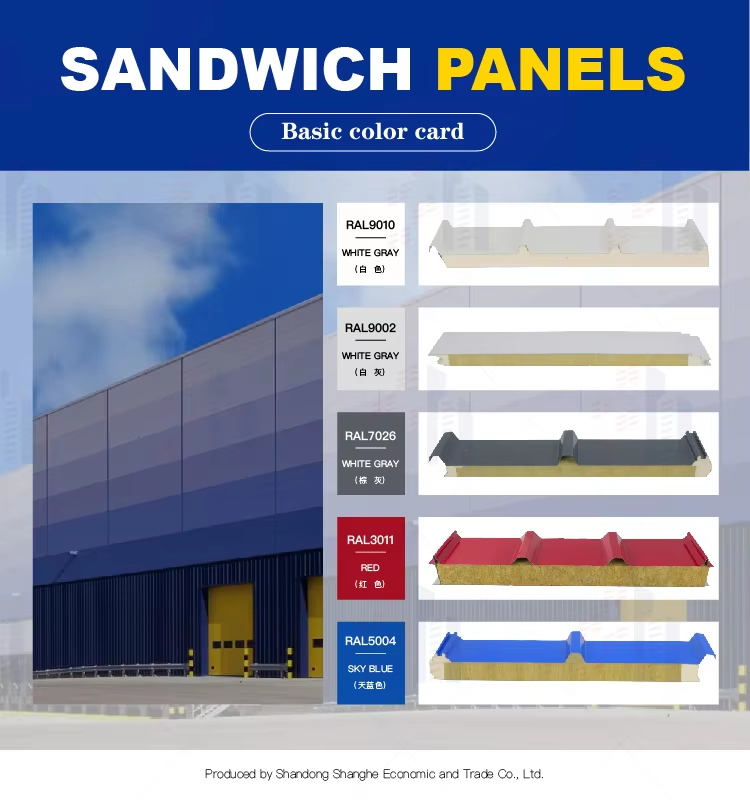
| Thickness | 16MM/20MM/25MM | Color | Bright red, vermillion, lime, sky blue, aquamarine, pea green or customized |
| Width | 100mm,120mm,150mm,200mm | | |
Technical Specifications
Key features of 40 mm sandwich panels include:
- Thickness: 40 mm, providing a solid balance between insulation and weight.
- Thermal insulation: Typically ranges from R-3.5 to R-5, depending on the core material.
- Weight: Lightweight compared to traditional building materials, making handling and installation easier.
- Fire resistance: Varies by core type, with mineral wool panels offering the highest rating.
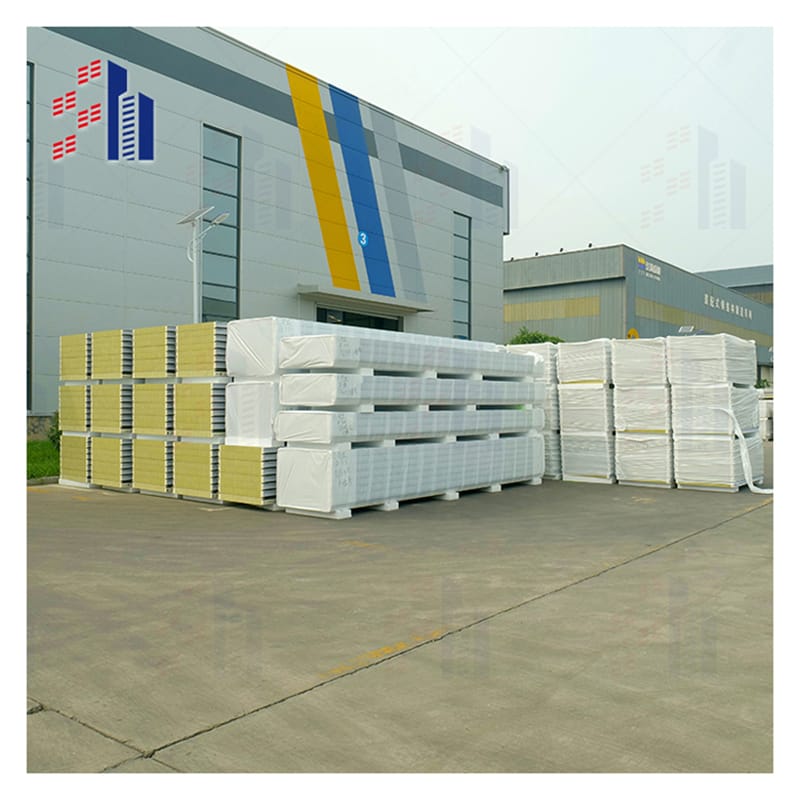
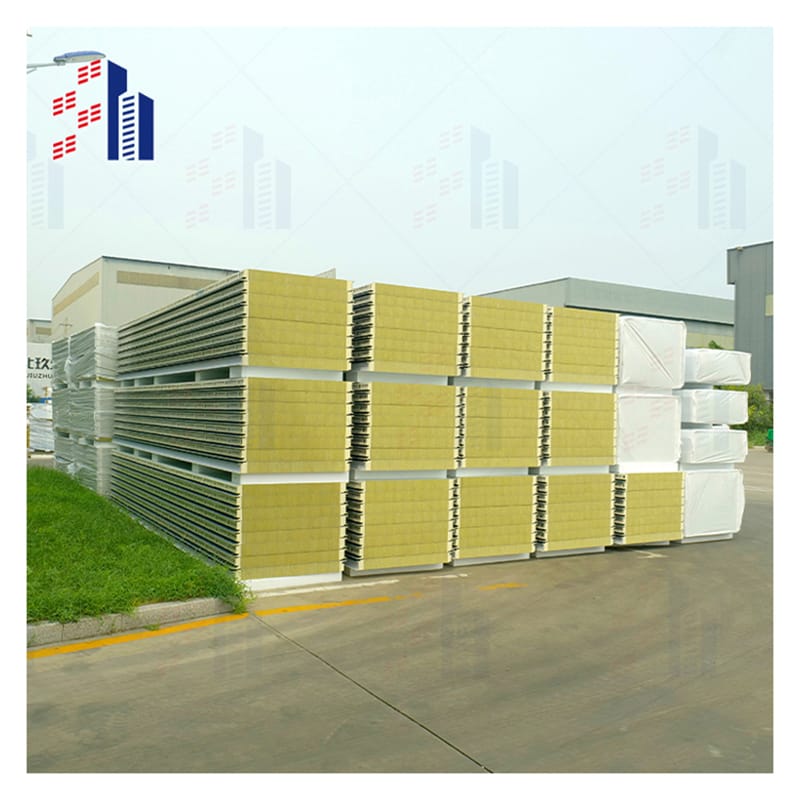
- Dimensions: Panels usually come in widths of 1 meter and lengths up to 12 meters or customized sizes.
Comparison with Other Thicknesses
Choosing 40 mm panels means opting for a middle ground between thinner and thicker options:
| Thickness | Insulation Performance | Weight | Cost | Typical Use |
|---|
| 30 mm | Lower insulation | Lighter | Lower | Interior walls, partitions |
| 40 mm | Moderate insulation | Moderate | Moderate | Walls, roofs, commercial buildings |
| 50+ mm | Higher insulation | Heavier | Higher | Cold storage, industrial facilities |
40 mm panels provide better insulation than 30 mm options without the extra weight and cost of thicker panels, making them ideal for a wide range of construction needs.
Understanding these basics helps you decide if 40 mm sandwich panels fit your project’s performance and budget requirements.
Applications of 40 mm Sandwich Panels
Industrial and Commercial Uses
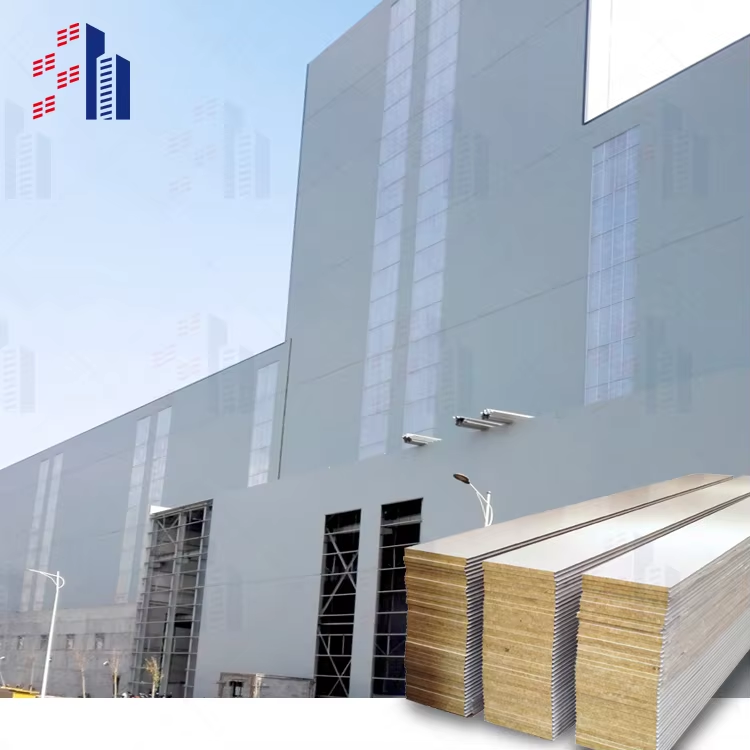
40 mm sandwich panels are widely used in industrial and commercial buildings because they offer strong insulation and structural support. You’ll often find them in warehouses, factories, cold storage facilities, and office buildings. Their thermal insulation helps maintain temperature control, making them ideal for energy-efficient construction.
Residential and Agricultural Uses
In residential projects, these panels work well for walls and roofs, providing good insulation that keeps homes comfortable year-round. They’re also popular in agricultural buildings like barns, poultry houses, and storage sheds, where temperature and moisture control are important.
Specialty Applications
Beyond standard buildings, 40 mm insulated panels are used in specialty projects such as clean rooms, refrigerated rooms, and modular construction. Their lightweight nature and easy installation make them a go-to choice for fast, reliable building solutions.
Regional Suitability
In the U.S., these panels perform well across various climates—from hot southern states needing strong heat resistance to colder northern areas requiring excellent thermal insulation. Their versatility means they fit both urban and rural settings, adapting to local building codes and energy standards.
Benefits of Shanghe’s 40 mm Sandwich Panels
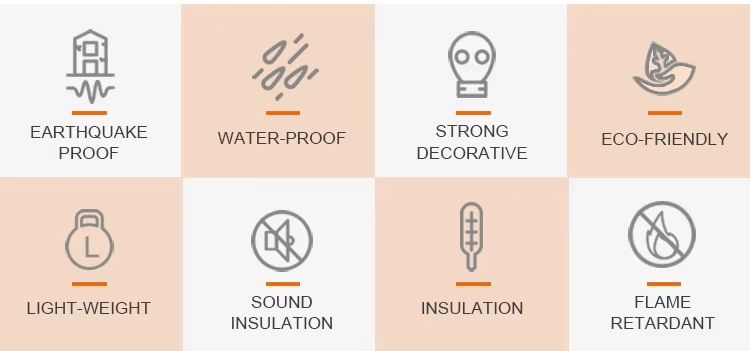
Shanghe’s 40 mm sandwich panels offer excellent thermal insulation, keeping your building warm in winter and cool in summer. This means lower energy bills and a more comfortable space year-round. The panels also provide strong acoustic insulation, reducing noise from outside—perfect for busy urban areas or industrial sites.
When it comes to construction, these panels are cost-effective. Their lightweight design makes handling and installation faster, cutting labor costs and project time. Plus, the panels’ strong core materials like polyurethane or PIR ensure durability, so you won’t need frequent repairs or replacements.
Maintenance is simple. Shanghe’s panels resist moisture, corrosion, and wear, which means less upkeep and long-lasting performance. For those looking to build greener, Shanghe offers eco-friendly options with recyclable materials and low environmental impact, aligning with sustainable building goals common in the U.S. market.
In short, Shanghe’s 40 mm insulated panels combine energy savings, durability, and eco-conscious design—ideal for a wide range of construction needs.
How to Choose the Right 40 mm Sandwich Panel
Choosing the right 40 mm sandwich panel depends on a few key factors to make sure it fits your project needs perfectly.
Factors to Consider
- Insulation Type: Decide between polyurethane sandwich panels, PIR core panels, EPS sandwich panels, or mineral wool panels based on your insulation and fire resistance needs.
- Application: Are you using it for walls, roofs, or specialty projects? Different panels perform better in different roles.
- Durability: Consider weather conditions in your area. Some panels handle moisture and temperature changes better than others.
- Budget: Balance performance with cost to get the best value.
Customization Options with Shanghe
Shanghe offers tailored solutions for your project:
- Custom panel sizes and finishes
- Choice of core materials to match insulation needs
- Color options to fit your building design
- Special coatings for extra protection
Local Supplier Advantages
Working with a local supplier like Shanghe means:
- Faster delivery times to your site anywhere in the U.S.
- Easier communication and support during and after purchase
- Access to local expertise about building codes and climate challenges
- Reduced shipping costs compared to overseas suppliers
By focusing on these points, you can confidently pick the right 40 mm insulated panels that match your project’s demands and budget.
Installation Guide for 40 mm Sandwich Panels
Tools and Preparation
Before you start installing 40 mm sandwich panels, make sure you have the right tools ready:
- Power drill with screwdriver bits
- Measuring tape and level
- Safety gloves and goggles
- Sealant gun and weatherproof sealant
- Cutting tools like a circular saw or metal shears
- Fasteners recommended for sandwich panel installation
Also, clear the workspace and double-check your measurements to avoid mistakes later.
Step-by-Step Installation
- Prepare the surface – Ensure the base structure is clean, level, and strong enough to hold the panels.
- Lay out panels – Plan your panel positioning to minimize cuts and waste.
- Fix the first panel – Secure it firmly at one corner using appropriate fasteners.
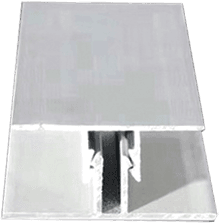
- Install subsequent panels – Lock panels together using tongue-and-groove edges or clips, ensuring tight joints.
- Seal all joints – Use weatherproof sealant to prevent air and moisture leaks.
- Check alignment – Use a level regularly to keep panels straight and even.
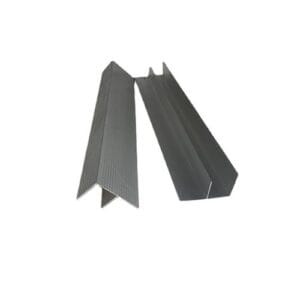
- Finish edges and openings – Install trims or flashings around doors, windows, and corners for a clean look and extra protection.
Common Mistakes to Avoid
- Skipping surface preparation, which can cause uneven panels
- Over-tightening screws that can damage the panel surface
- Ignoring thermal expansion gaps, leading to warping
- Poor sealing of joints, allowing air or water leaks
- Not using proper fasteners designed for sandwich panels
Shanghe’s Installation Support
Shanghe offers expert guidance to make your installation smooth and efficient. Our team provides:
- Detailed installation manuals tailored for 40 mm insulated panels
- On-site support and training if needed
- Customer service to answer your questions quickly
With Shanghe’s support, you can avoid common pitfalls and get your project done right the first time.
Pricing and Availability
Cost Factors
When it comes to 40 mm sandwich panels, price depends on a few key factors:
- Core material: Polyurethane, PIR, EPS, or mineral wool all vary in cost.
- Panel size and quantity: Larger orders usually bring better rates.
- Surface finish: Different coatings or colors can affect price.
- Shipping and delivery: Local availability can cut down transport costs.
Shanghe’s Competitive Pricing
Shanghe offers great value on 40 mm insulated panels without cutting corners. Thanks to efficient production and local sourcing, their prices stay competitive in the U.S. market. You get high-quality sandwich panel insulation at a cost that fits construction budgets, whether for commercial, industrial, or residential projects.
How to Order
Ordering from Shanghe is straightforward:
- Contact their sales team via phone or website.
- Specify your panel type, core material, dimensions, and quantity.
- Get a customized quote based on your needs.
- Confirm your order and arrange delivery.
Shanghe also provides support to help you choose the right 40 mm sandwich panels for your project, making the process smooth from start to finish.