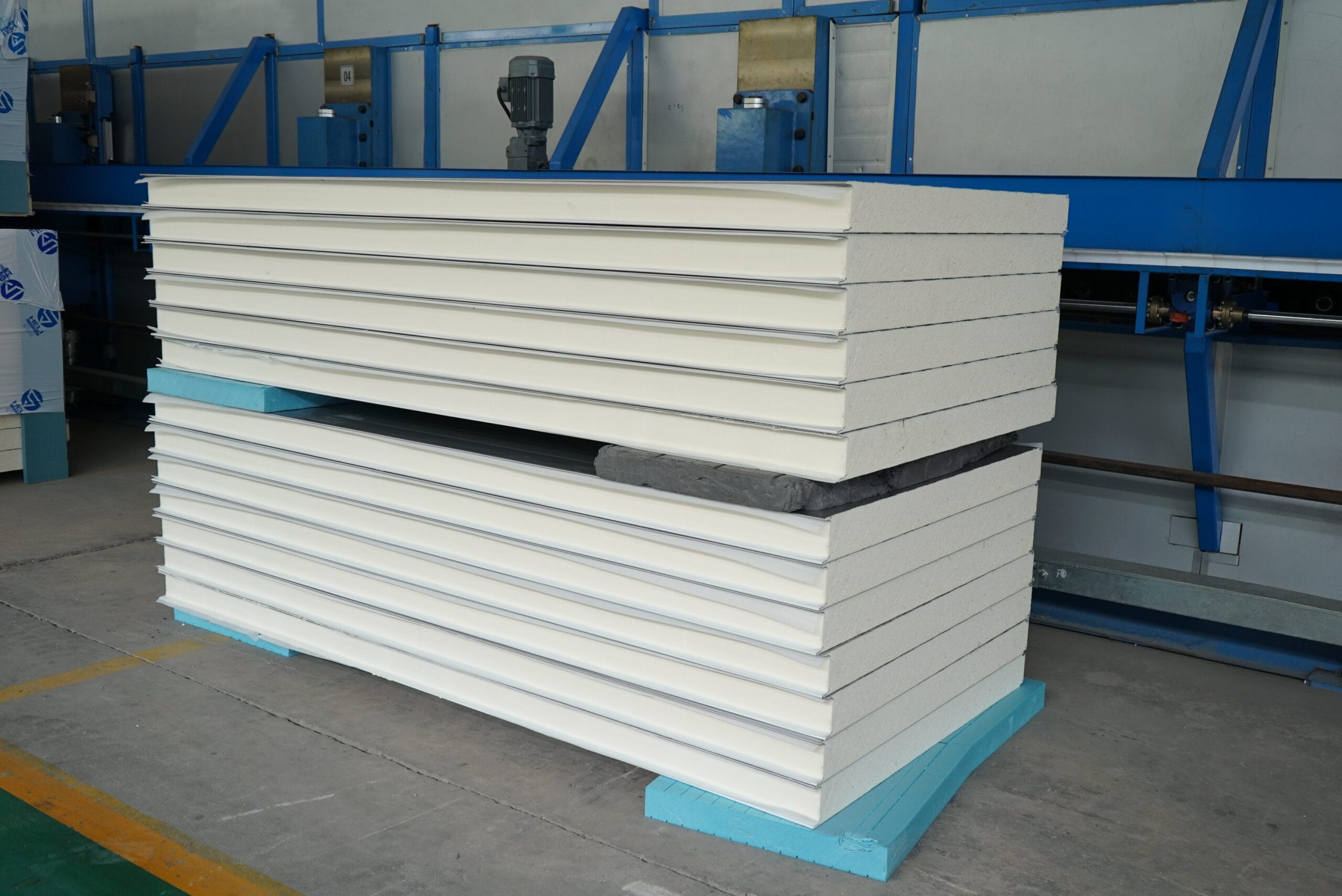
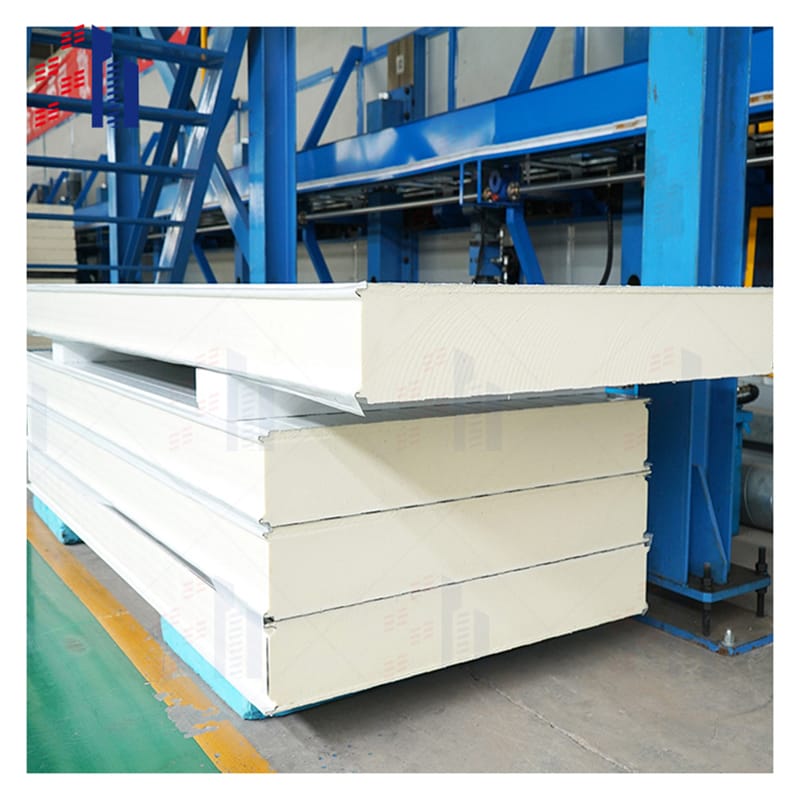
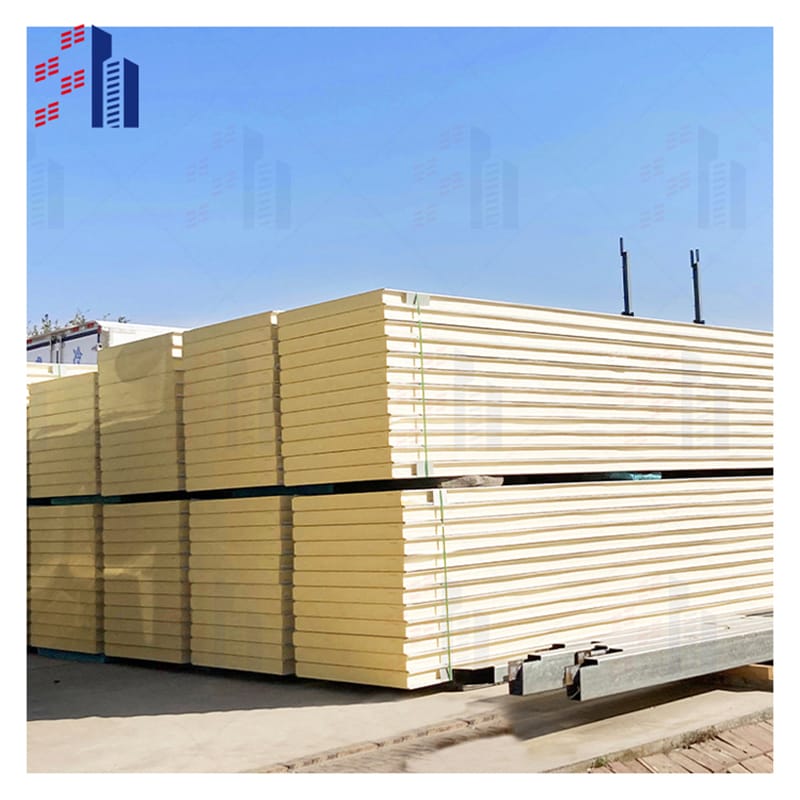
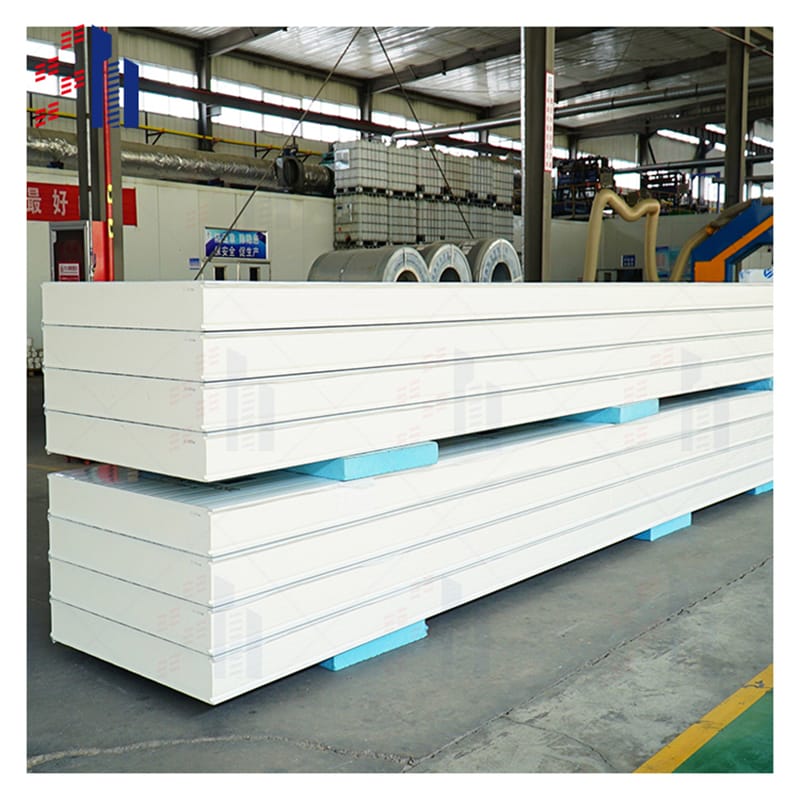
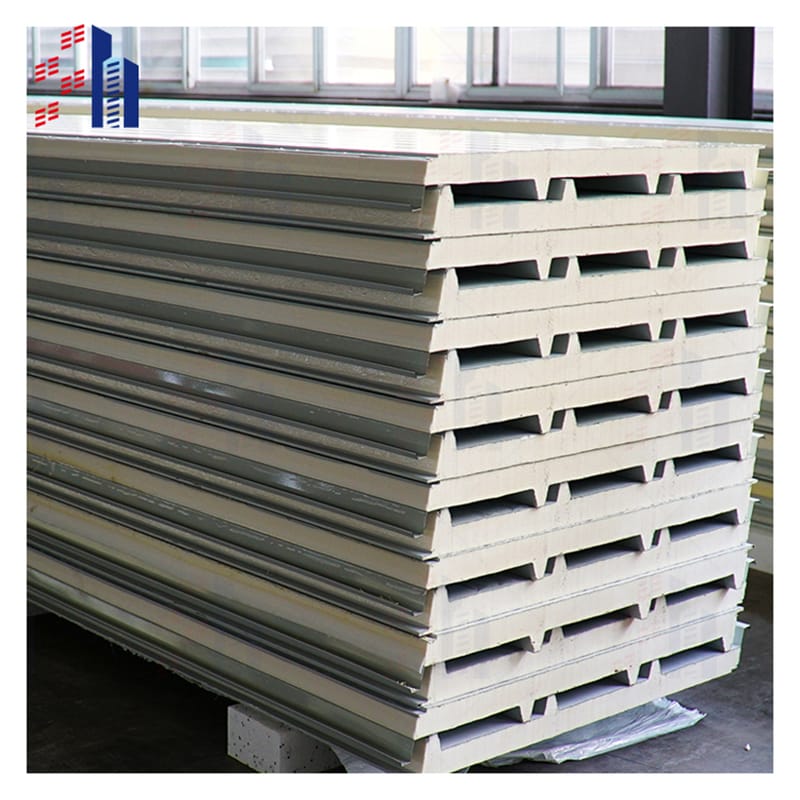
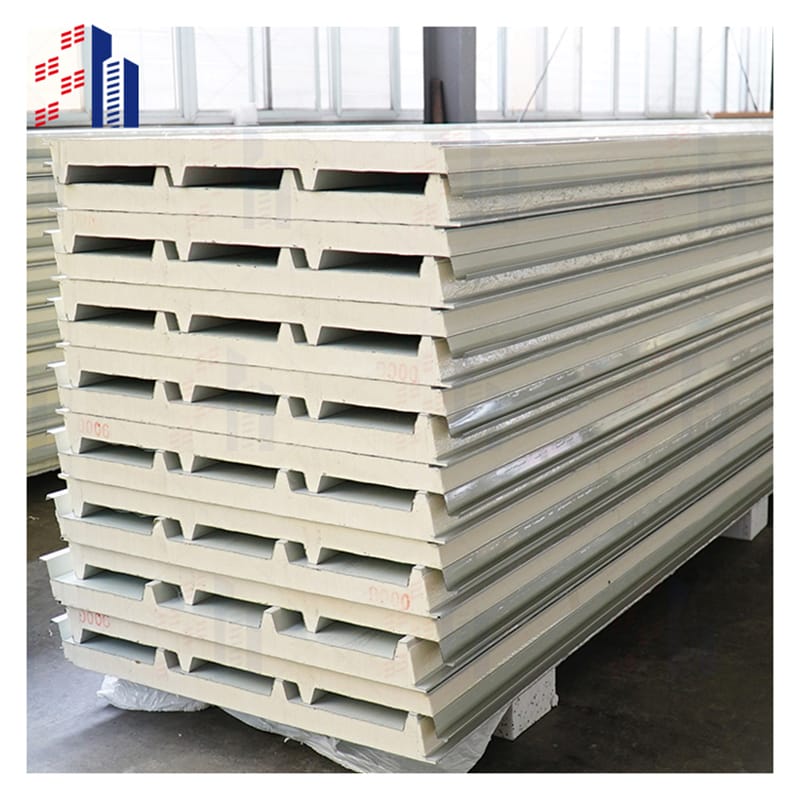
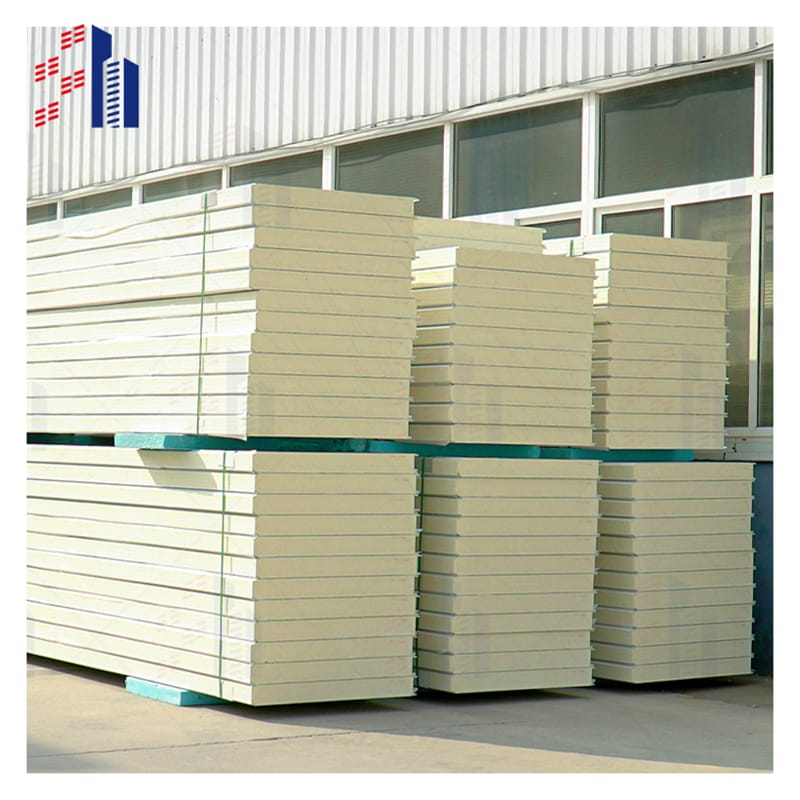
Composite Foam Sandwich Panels EPS: Why They’re the Best Insulation Solution for Your Building Projects
If you’re tired of dealing with poor insulation, high energy costs, and weak structural support in your construction projects,composite foam sandwich panels EPSmight just be your answer. These panels are lightweight, super durable, and provide unbeatable thermal insulation—saving you money on heating and cooling while keeping buildings strong. EPS (Expanded Polystyrene) is the secret sauce here, offering high resistance to moisture and mold, which is a huge deal if you’ve ever had to deal with rotting or inefficient walls.
What makes these panels stand out? Well, they’reLEED-Certifiedin many cases, meaning they meet strict energy efficiency standards. Plus, they’re a favorite in commercial and industrial builds because they cut labor costs—no need for extra framing or insulation layers. And let’s be real, who doesn’t love a product that speeds up construction without cutting corners? Whether you’re working on cold storage, warehouses, or even residential projects, EPS-based composite panels deliver performance without the headaches.
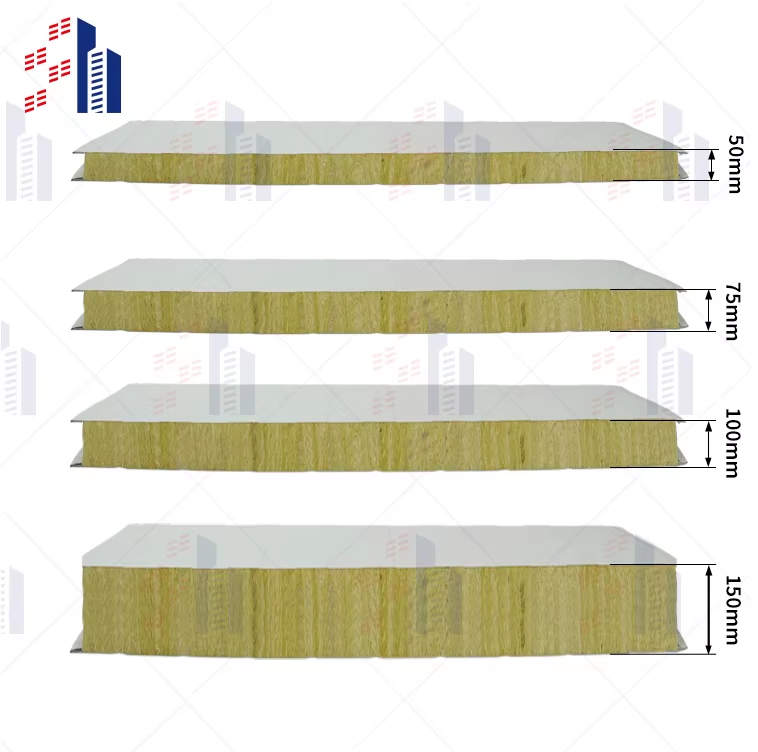
Thicker panels = better insulation for sub-zero freezers
R-Value
R-16 to R-40 (varies by core)
Beats fiberglass (R-3.1/in) – slashes energy bills
Metal Gauge
22-18 (0.8mm to 1.2mm)
18-gauge = heavy-duty for high-traffic warehouses
Fire Rating
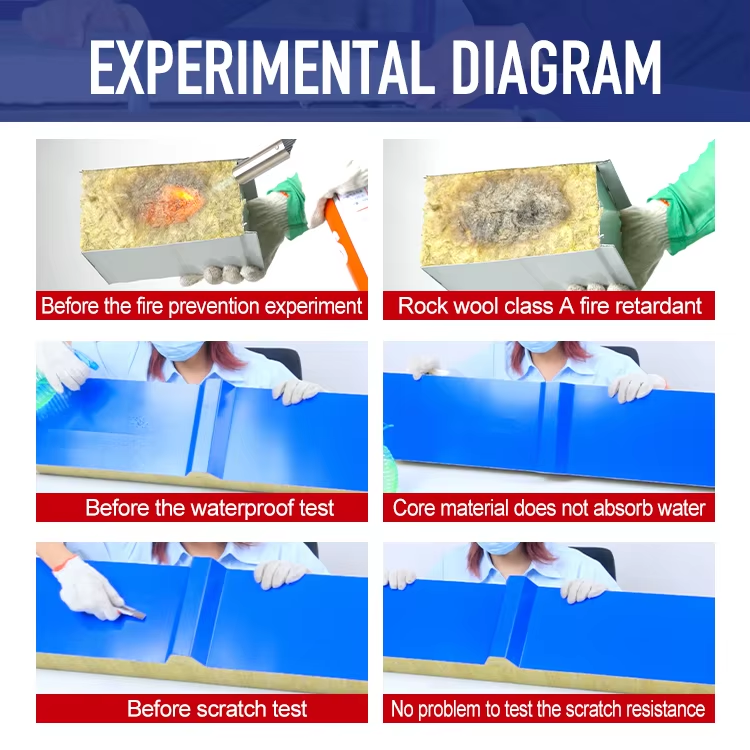
Class A (ASTM E84) / FM Approved
Meets insurance requirements for industrial facilities
Temp Range
-40°F to +200°F (-40°C to 93°C)
Handles blast freezers to heated processing rooms
Panel Width
36″ or 42″ (standard)
Wider panels = fewer seams, faster install
Custom Lengths
Up to 50′ (no splice needed)
Eliminates weak points in long runs
Important attributes
design
the present age
After-sales service
Online Technical Support, Other
Origin
Shandong, China
Application Scenarios
Warehouse
Brand
SH
Warranty Service
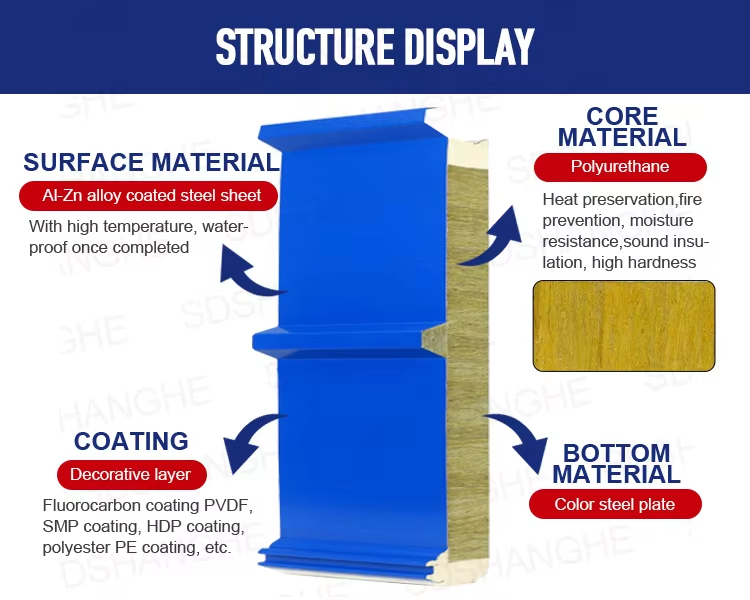
polyurethane
Panel Material
polyurethane
Models
SH 150mm
Usage
Exterior Decoration
Product Name
Composite Foam Sandwich Panels Eps
Surface Material
Metallic
Minimum Order
Personalization
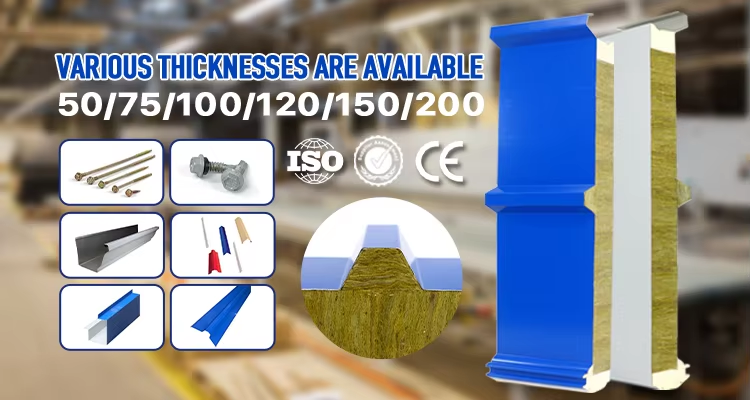
Thickness
16MM/20MM/25MM
Color
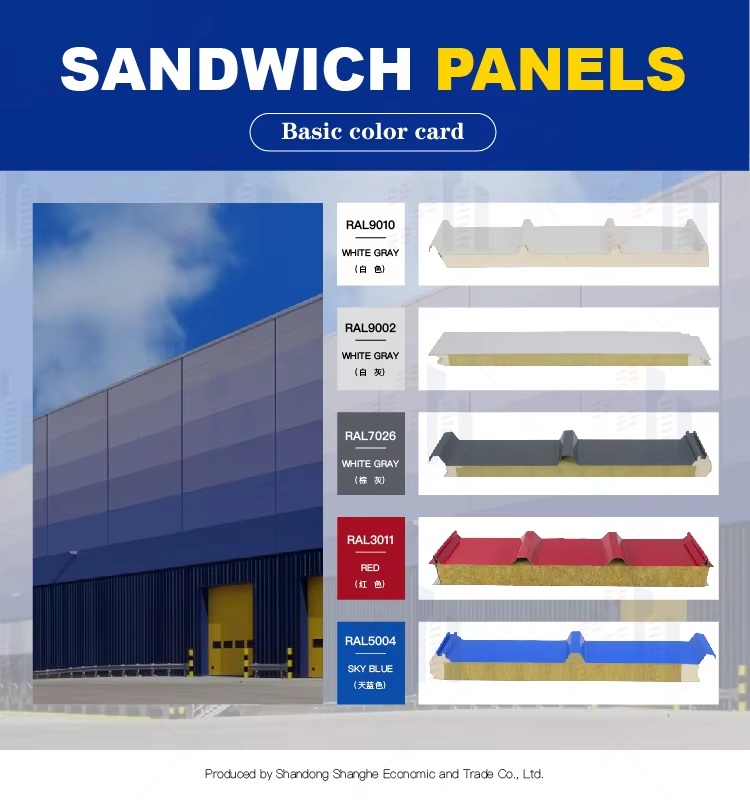
Bright red, vermillion, lime, sky blue, aquamarine, pea green or customized
Width
100mm,120mm,150mm,200mm
Composite Foam Sandwich Panels: How They Slash Costs & Boost Durability in Construction
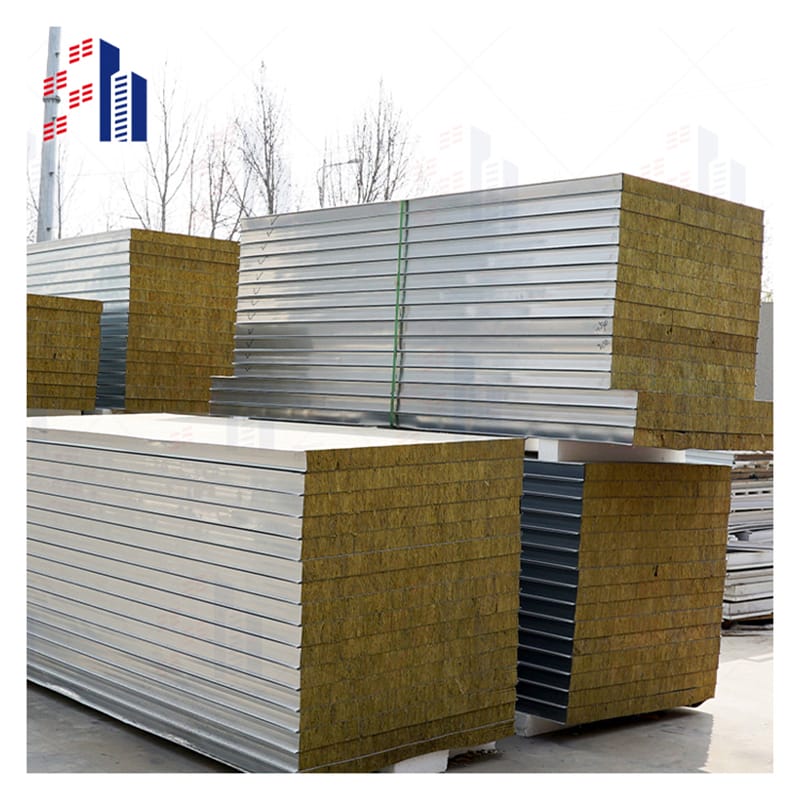
You know what’s frustrating? Spending a fortune on traditional building materials that crack, warp, or lose efficiency over time. That’s wherecomposite foam sandwich panelscome in—they’re the game-changer you’ve been waiting for. These panels combine a rigid foam core (like EPS, PU, or XPS) with strong outer layers, usually metal or fiberglass, creating a lightweight yet ultra-durable solution.
Here’s the kicker: they’reway faster to installthan conventional materials. No more waiting weeks for multiple layers of insulation and cladding—just one panel does it all. And because they resist moisture, fire, and pests (thanks to advanced manufacturing techniques), they last decades longer than traditional builds. Big names likeDow ChemicalandKingspanhave backed this tech for years, and if you’re still on the fence, just check out how many warehouses and airports now rely on them. Bottom line? Fewer repairs, lower bills, and happier clients.
The Secret to Smarter, Safer Electronics & Aerospace Designs
Ever had an electronic device overheat or a sensitive component fail because of poor heat dissipation? That’s exactly why engineers are turning toconductive foam—a lightweight, flexible material that manages heat and static like a pro. Unlike traditional insulation, this stuff doesn’t just sit there; it actively redirects heat away from critical parts, preventing meltdowns and extending product life.
FromNASA’s spacecraftto your latest smartphone, conductive foam is everywhere because it works. It’s often made with carbon or metal additives, giving it that extra conductivity without adding bulk. And for industries like aerospace or medical devices, where safety is non-negotiable, this material is a lifesaver—literally. So if you’re tired of playing trial-and-error with thermal management, it’s time to switch to foam that pulls its weight.
Let’s face it—traditional packaging and car interiors are either too fragile or way too heavy. EnterEPP foam molding, the lightweight, shock-absorbing hero you didn’t know you needed. Expanded Polypropylene (EPP) is that rare material that’s both tough and cushiony, perfect for everything fromBMW door panelsto eco-friendly packaging that survives rough shipping.
Why’s it so good? Well, it bounces back after impact (unlike Styrofoam, which just cracks), and it’s 100% recyclable—a big deal in today’s green-focused market. Companies likeToyotaandAmazonhave already switched to EPP for its cost efficiency and durability. So whether you’re designing car parts or shipping delicate gear, this foam cuts waste and damage claims like nothing else.
Plastic Foam: Busting Myths & Choosing the Right Type for Your Project
Plastic foam gets a bad rap—some say it’s weak, others complain it’s not eco-friendly. But here’s the truth:not all plastic foams are created equal, and picking the right one can make or break your project. EPS (for insulation), EPP (for impact resistance), and PU (for structural strength) all have unique perks.
TakeLEED-certified buildings—they often use EPS because it’s energy-efficient and recyclable. Meanwhile, surfboards and flotation devices rely on PU foam for its rigidity. And with new bio-based foams hitting the market, sustainability is no longer an issue. The key? Know your needs. Insulation? Go EPS. Need something that takes a beating? EPP’s your guy. Stop settling for one-size-fits-all solutions and get foam that actually works for you.
Plastic Foaming 101: How It Saves Time & Money in Manufacturing
If you’re still molding parts the old-school way, you’re wasting time and material.Plastic foaming—where gas expands plastic to create lightweight, strong structures—is the shortcut smart manufacturers are using. This process cuts material use by up to40%(yes, really) while maintaining strength, which means lower shipping costs and faster production times.
Companies likeBASFandSABIChave perfected foaming techniques for everything from car bumpers to furniture. And because foamed parts often need less assembly (no screws or extra supports), you’re looking at fewer production steps and happier engineers. So if efficiency is your goal, it’s time to foam—or get left behind.
CLIENT TESTIMONIALS
Best investment for our food truck kitchen! Easy to wipe clean and the thermal rating actually works. Burnt my first batch of fries testing it - panels stayed cool to touch. #FoodTruckLife
Luc
Withstood 60mph winds when that nor'easter hit. Neighbor's shed roof flew away but ours held strong! Would give 5 stars if the warranty process wasn't such paperwork hassle
Sophie
Finally found panels that don't make our tiny house look like a storage unit! The matte finish gives such a sleek, modern vibe. Bonus: Delivery guy helped position them perfectly