
Introduction to
Wood-plastic composite (WPC), a revolutionary material that combines the natural beauty of wood with the durability of plastic, is gaining significant traction in the construction industry. This innovative material offers a sustainable and versatile alternative to traditional building materials.
Composition and Properties
Wood fiber and thermoplastic resin mainly make up WPC.Manufacturers often extract wood fiber from recycled wood waste to endow the material with natural aesthetic and texture. The thermoplastic resin, such as polyethylene or polypropylene, binds the wood fibers together, enhancing its durability and weather resistance.
Key properties include:
- Durability: Resistant to rot, decay, and insect damage.
- Weather resistance: Can withstand harsh weather conditions without warping or cracking.
- Low maintenance: Requires minimal upkeep, such as occasional cleaning.
- Versatility: Can be molded into various shapes and sizes.
- Sustainability: Made from recycled materials and is recyclable itself.
Applications of WPC
WPC finds extensive use in various applications, including:
- Decking: decking is a popular choice for outdoor spaces due to its durability, slip resistance, and low maintenance requirements.
- Wall cladding: cladding offers a stylish and weather-resistant exterior for buildings.
- Fencing: fencing provides a durable and attractive alternative to traditional wooden fences.
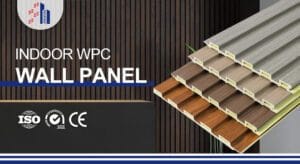
- Interior design: can be used for interior applications such as flooring, wall panels, and trim.
Benefits of Using
- Environmental friendliness: reduces the demand for virgin timber and minimizes landfill waste.
- Aesthetic appeal: offers a natural look and feel, similar to wood.
- Durability and longevity: products can last for many years with minimal maintenance.
- Low maintenance: is easy to clean and does not require painting or staining.
- Versatility: can be used in a wide range of applications.
Future Trends in WPC
The future of WPC looks promising, with several trends emerging:
- Increased use of recycled materials: As sustainability becomes a top priority, the use of recycled materials in WPC production is expected to increase.
- Development of new finishes and colors: Manufacturers are constantly developing new finishes and colors to meet the diverse needs of consumers.
- Expanded applications: WPC is likely to find new applications in areas such as automotive and marine industries.
- Improved performance: Ongoing research and development will lead to WPC products with enhanced properties, such as higher strength and impact resistance.
Conclusion
WPC has emerged as a sustainable and versatile building material, offering numerous benefits over traditional materials. Rising environmental awareness and demand for durable, low-maintenance products fuel itsgrowing popularity.As technology advances and consumer preferences evolve, WPC is poised to play an even greater role in the construction industry.